Subway Sub Club worth: is buy three get one free actually valuable?
Advertisements
Subway Sub Club’s buy three get one free promotion can deliver meaningful savings for frequent customers, with break-even points typically occurring after 4–6 purchases, but actual value depends on your local menu prices and dining frequency.
Since Subway Sub Club returns: is buy three get one free actually worth the loyalty signup to many Americans, understanding whether this loyalty program genuinely saves money requires moving past marketing language and analyzing real purchase scenarios. Millions of fast-food shoppers evaluate loyalty programs each year, and Subway’s offering stands out as one of the more generous on paper—yet whether it delivers real value varies significantly based on individual habits, location, and how strategically you use the rewards.
Understanding Subway Sub Club and its core offer
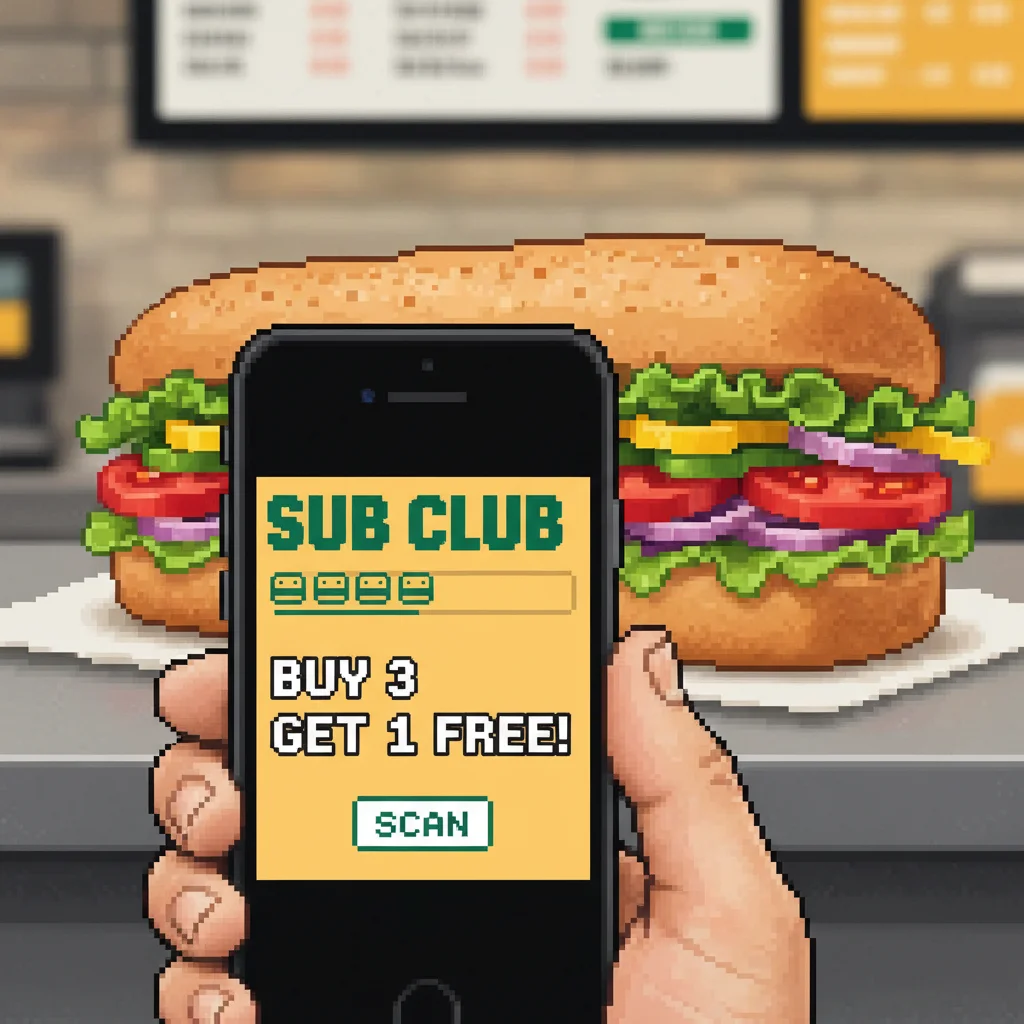
Subway’s loyalty program, accessed through their mobile app, offers a straightforward structure designed to encourage repeat purchases. The headline benefit is clear: buy three footlong or six-inch subs and receive one of equal or lesser value for free. Unlike membership-fee programs, Subway Sub Club is free to join, removing an immediate financial barrier.
The program operates on a point accumulation system within the app. Each dollar spent generates points, and those points can be redeemed for promotional offers. The “buy three get one free” deal is one of several rewards available, alongside drink discounts, cookie deals, and seasonal promotions. Knowing this structure matters because it affects how quickly you can actually redeem rewards and what competing offers might be available at any given time.
How enrollment works
- Download the Subway app and create a free account with email or mobile number
- Provide basic profile information (no payment required upfront)
- Link a payment method to track purchases automatically
- Begin earning points immediately on every transaction
The zero-cost entry point is significant. Many loyalty programs charge annual fees or require minimum spending thresholds before rewards become available. Subway removes that friction entirely, which means there is no financial risk in signing up, even for casual visitors.
The math behind the buy three get one free offer
To evaluate whether the Subway Sub Club deal is worth your time and data, quantifying the actual savings is essential. This requires understanding average sandwich prices in your area and how frequently you purchase.
Baseline savings calculation
Assume an average Subway footlong costs $8.50 in most U.S. markets as of late 2025, though prices range from $7.49 to $10.99 depending on location and protein choice. Under the buy three get one free structure, every fourth purchase of that sandwich is free.
- Cost of three footlongs at $8.50 each: $25.50
- Fourth footlong normally cost: $8.50
- Actual cost with loyalty reward: $25.50 (you get the fourth free)
- Effective per-sandwich cost: $6.38 instead of $8.50
- Savings per transaction: $8.50 (25% discount)
This mathematics shows meaningful value on paper. Over twelve purchases (three complete cycles of the buy-three-get-one deal), you save approximately $25.50. However, this assumes consistent purchasing patterns and redemption of the reward before it expires.
Real-world pricing variations
The headline savings only materializes if you actually spend money on the first three subs. Regional price differences matter significantly. Subway locations in high-cost urban areas like San Francisco or New York charge $10–11 per footlong, while rural areas may charge $7.50. This means your actual savings percentage fluctuates based on geography.
Additionally, promotional pricing affects the equation. Many Subway locations offer periodic discounts like $5 footlongs or $6 subs as standalone promotions. If you time your purchases during these sales periods rather than using your loyalty reward on full-price sandwiches, you might achieve better overall savings. This introduces strategy into the decision-making process beyond simple reward redemption.
Who benefits most from Subway Sub Club
Loyalty programs create value primarily for frequent users. The Subway Sub Club is no exception, and identifying which customer profiles actually benefit requires honest assessment of spending habits.
High-frequency customers (2+ visits per week)
Customers visiting Subway multiple times weekly reach the buy-three-get-one-free threshold regularly, potentially redeeming the reward every 3–4 weeks. For someone spending $60–70 monthly on Subway purchases, the $25 annual savings translates to meaningful value, especially if stacked with other app-exclusive offers like free cookies or discounted drinks.
Occasional to moderate users (1–2 visits per month)
This group faces diminishing value. Someone visiting Subway twice monthly requires six months to accumulate enough purchases for a single buy-three-get-one-free redemption. The $8.50 savings occurs only twice yearly, totaling roughly $17 in annual value. For comparison, a $3–5 monthly coffee subscription yields similar or better returns.
Rare users
Infrequent Subway customers visiting fewer than four times yearly may never accumulate enough points for a meaningful reward. For this segment, the app provides minimal benefit beyond occasional promotional coupons that rival or exceed the loyalty rewards available.
Hidden costs and program restrictions
Understanding program limitations is critical to evaluating true value. Several factors can reduce or eliminate the benefits of Subway Sub Club membership.
Reward expiration
Subway rewards don’t remain in your account indefinitely. Points and earned rewards expire after a set period, typically 90–180 days depending on program terms and your account activity. If you earn a buy-three-get-one-free reward but don’t visit a Subway location within the expiration window, you lose the entire benefit. This is particularly problematic for users with irregular purchasing patterns or those who travel frequently and lack consistent access to Subway.
Participation limitations
Not all Subway locations participate equally in the digital loyalty program. Franchise-owned locations sometimes operate independently and may not honor app rewards the same way corporate-owned stores do. Before committing to the program, checking if your preferred Subway locations actively participate ensures rewards actually redeem properly.
Data and privacy considerations
Enrollment requires sharing your name, email, phone number, and payment information with Subway and potentially third-party marketing partners. Subway uses this data to send promotional emails and personalized offers. For privacy-conscious consumers, the tradeoff between modest savings and data collection may not feel worthwhile. Understanding Subway’s privacy policy before enrollment matters.
Comparing Subway Sub Club to other fast-casual loyalty programs
Evaluating the Subway program in context requires understanding competing offers. Other major fast-casual chains present different reward structures and value propositions.
Chipotle Rewards offers points per dollar spent (10 points per $1), with 1,250 points equaling a free entree (roughly a $10 value). This translates to approximately 10% back on every purchase. Panera Bread’s loyalty program provides similar point accumulation with rewards tiered by spending level. Compared to these systems, Subway’s buy-three-get-one-free offer (25% off every fourth purchase) appears competitive on the surface, but only if you consistently redeem before expiration.
Some regional chains like local taco shops or sandwich makers offer simpler punch-card systems: buy nine items, get one free. This removes digital friction and expiration concerns, though it requires carrying a physical card. For customers uncomfortable with mobile apps or data sharing, traditional punch cards may deliver superior psychological satisfaction despite equivalent financial value.
Real-world scenarios and break-even analysis
Hypothetical calculations only matter if they match your actual life. Testing the program value requires mapping genuine spending scenarios.
Scenario one: The consistent lunch-break visitor
Sarah visits Subway twice weekly for lunch, spending $16 weekly ($8.50 per footlong). Annual Subway spending: $832. After reaching every fourth purchase, Sarah redeems approximately 26 free-sandwich rewards yearly, saving roughly $221 annually. The program clearly benefits Sarah, as the $221 savings represents a 26% reduction on her Subway budget. She should enroll immediately.
Scenario two: The casual weekend user
James visits Subway approximately three times monthly, spending roughly $25.50 monthly. To accumulate a single buy-three-get-one-free, James requires four months. He redeems approximately three rewards yearly, saving $25.50 annually. Relative to his $306 annual Subway budget, this represents an 8% savings. The value exists but is modest. James may see better returns from standalone promotional coupons available through email or rival apps.
Scenario three: The rare visitor
Miguel visits Subway 2–3 times yearly during sporadic trips. Over twelve months, he spends roughly $60. He never accumulates enough purchases to redeem a buy-three-get-one-free, instead accessing only general promotional offers available to all app users. For Miguel, the program delivers minimal value. He’s better served by simply asking for promotional codes available to new customers.
Maximizing your Subway Sub Club value
If you’ve enrolled in Subway Sub Club, strategic behavior improves rewards. Several approaches maximize actual redemption and savings.
Redeem before expiration
Set phone reminders for reward expiration dates. Most mobile devices allow calendar alerts tied to specific dates. When a buy-three-get-one-free reward appears in your app, schedule a Subway visit before expiration to ensure you claim the benefit. Letting rewards expire is equivalent to discarding money.
Stack offers strategically
Subway frequently offers promotional discounts on specific items (like fresh vegetable subs or chicken options) via the app. Rather than redeeming your loyalty reward on full-price items, use standalone promotional coupons during these periods and save your free-sandwich reward for regular-price purchases. This optimization can increase your effective savings by another 5–10%.
Track spending and rewards in a spreadsheet
Create a simple spreadsheet tracking your Subway purchases and earned rewards. Recording dates, amounts, and reward redemption dates helps you identify patterns and plan purchases around reward availability. For high-frequency users, this small administrative effort compounds into measurable additional savings.
- Track monthly spending to forecast reward frequency
- Note reward expiration dates prominently
- Log which promotional offers align with your preferences
- Compare your annual app-based savings to other sandwich shops
| Customer Profile | Annual Value |
|---|---|
| Frequent (2+ visits weekly) | $200–300 saved yearly |
| Moderate (1–2 visits monthly) | $15–30 saved yearly |
| Occasional (few times yearly) | Minimal to no savings |
Frequently asked questions about Subway Sub Club worth
The timeline depends on your purchasing frequency. At one visit per week, you’ll accumulate three purchases in three weeks and redeem a free sandwich on your fourth visit. At once monthly, it requires approximately four months. Subway’s app shows your progress clearly, so you know exactly when your next reward arrives.
Most corporate-owned Subway locations honor app rewards nationally, but franchise-owned stores may have different policies. Before relying on the program, verify with your preferred Subway location or check the app to confirm participating restaurants near you. Regional participation varies, so checking is important.
Rewards expire after approximately 90–180 days of inactivity. Once a reward expires, it vanishes from your account entirely. There is no carry-over or account credit. Setting phone reminders for expiration dates ensures you claim your rewards before losing them permanently.
Yes, enrollment is completely free. There are no membership fees, subscription costs, or minimum purchase requirements. You only need an email address and a way to receive app notifications. The trade-off is that Subway collects your purchasing data and may send promotional emails.
Yes, the program offers rotating promotions including free drinks, discounted cookies, and seasonal items. Rewards vary by location and time of year. Checking your app regularly reveals all available redemption options, allowing you to choose the most valuable rewards for your preferences.
The bottom line
Subway Sub Club’s buy three get one free offer delivers genuine value for frequent customers visiting two or more times weekly, potentially saving $200–300 annually with consistent redemption. For occasional users visiting fewer than once monthly, the program provides minimal benefit beyond sporadic promotional coupons. Enrollment carries zero financial risk due to no membership fees, making it logical for any regular Subway customer to join. The critical factor determining actual value is honest assessment of your spending patterns and commitment to redeeming rewards before expiration rather than letting them disappear.
