Millennials drove 51% of BNPL deals on Black Friday 2025
Advertisements
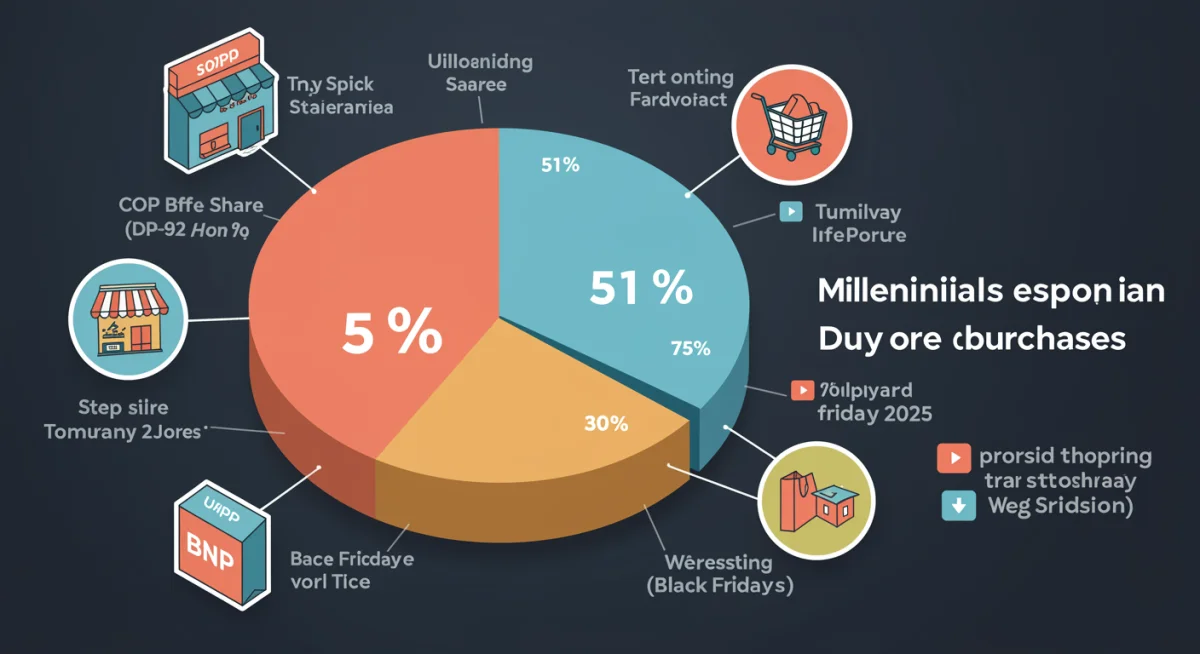
Millennials led the charge in Black Friday 2025 spending, with Millennials drove 51% of BNPL deal purchases during Black Friday 2025, signifying a major shift in consumer financing for holiday sales.
The landscape of holiday shopping continues to evolve, and Black Friday 2025 was no exception. A significant trend emerged, highlighting how Millennials drove 51% of BNPL deal purchases during Black Friday 2025, reshaping how consumers approach major sales events. This isn’t just a statistic; it’s a profound indicator of changing financial behaviors and the increasing reliance on flexible payment solutions.
The rise of BNPL among millennials
The ‘buy now, pay later’ (BNPL) phenomenon has been steadily gaining traction, but its dominance during Black Friday 2025, particularly among millennials, marks a pivotal moment. This demographic, often characterized by a preference for convenience and flexible financial tools, has fully embraced BNPL as a go-to payment method for securing holiday deals. Their purchasing power, combined with a pragmatic approach to budgeting, has made BNPL an indispensable part of their shopping strategy.
Millennials, generally defined as individuals born between 1981 and 1996, represent a considerable segment of the consumer market. Their financial journey has been shaped by unique economic challenges, including student loan debt and fluctuating job markets. Consequently, they often seek alternatives to traditional credit cards, finding BNPL’s interest-free installment plans more appealing and manageable for larger purchases.
Why millennials choose BNPL
Several factors contribute to the millennial preference for BNPL services. Understanding these drivers is crucial for retailers and financial institutions alike to tailor their offerings effectively.
- Budget management: BNPL allows shoppers to break down large purchases into smaller, more manageable payments, fitting within their monthly budgets without incurring immediate full costs.
- Avoidance of credit card interest: Unlike traditional credit cards, many BNPL services offer interest-free installments, which is highly attractive to a demographic wary of accumulating debt.
- Simplified application process: BNPL applications are typically quick and streamlined, often requiring only basic personal information, making it more accessible than applying for new credit cards.
- Instant gratification: Consumers can get their desired items immediately while deferring full payment, satisfying the modern demand for instant access to products.
This widespread adoption underscores a broader shift in consumer finance, where transparency, flexibility, and control over spending are paramount. As millennials continue to mature and increase their earning potential, their influence on retail and financial trends will only grow, making their BNPL habits a key area of study for future market strategies.
Black Friday 2025: a BNPL battleground
Black Friday, traditionally a day of frenzied doorbuster sales and deep discounts, transformed into a BNPL battleground in 2025. Retailers, acutely aware of the millennial demographic’s spending habits, aggressively promoted BNPL options alongside their Black Friday 2025 deals. This strategic alignment proved incredibly successful, with BNPL becoming an integral part of the deal-hunting experience.
The sheer volume of transactions processed through BNPL platforms during this period was staggering. From electronics to apparel, home goods to travel packages, millennials leveraged these services across a diverse array of product categories. This widespread use wasn’t accidental; it was a carefully orchestrated effort by both BNPL providers and retailers to capture a significant portion of the holiday spending.
Key categories for millennial BNPL purchases
While BNPL was used broadly, certain product categories saw particularly high engagement from millennials using these payment methods. These categories often align with typical millennial spending patterns and aspirational purchases.
- Electronics: High-ticket items like new smartphones, laptops, gaming consoles, and smart home devices were frequently purchased using BNPL to spread out the cost.
- Fashion and apparel: From designer brands to everyday wear, BNPL allowed millennials to refresh their wardrobes without a large upfront investment.
- Home furnishings: As many millennials are establishing or upgrading their homes, furniture, appliances, and decor were popular BNPL choices.
- Experiences and travel: Though less traditional for Black Friday, some travel deals and experience packages were also financed through BNPL, indicating a broader application of the service.
The success of BNPL on Black Friday 2025 demonstrates its power as a conversion tool for retailers. By offering flexible payment structures, businesses could entice price-sensitive millennials to commit to purchases they might otherwise defer, ultimately boosting sales volumes during the critical holiday shopping season.
Financial implications and consumer behavior
The heavy reliance on BNPL by millennials during Black Friday 2025 carries significant financial implications, both for individual consumers and the broader economy. While BNPL offers undeniable benefits in terms of budgeting and interest avoidance, it also introduces new dynamics to consumer debt and spending habits. Understanding these nuances is essential for a complete picture of this evolving financial tool.
For millennials, BNPL can be a double-edged sword. On one hand, it provides a much-needed alternative to high-interest credit cards, potentially helping them manage cash flow more effectively. On the other hand, the ease of access can lead to overspending if not managed responsibly, potentially creating a new form of consumer debt. Many BNPL users appreciate the transparency of fixed payment schedules, which can be easier to track than revolving credit.
Managing BNPL responsibly
Responsible use of BNPL is paramount to harness its benefits without falling into financial pitfalls. Consumers, especially millennials, are increasingly seeking tools that offer control and clarity over their finances.
- Track payments: Always keep a clear record of upcoming BNPL installments to avoid missed payments and potential late fees.
- Budget effectively: Integrate BNPL payments into your monthly budget to ensure affordability and prevent overcommitment.
- Understand terms: Read the fine print of each BNPL agreement, including interest rates (if applicable), late fees, and repayment schedules.
- Avoid multiple plans: Spreading purchases across too many BNPL providers can make tracking and managing payments challenging.
The financial services industry is closely watching these trends, as the widespread adoption of BNPL by millennials signals a shift away from traditional credit models. This demographic’s preference for digital-first, transparent, and flexible payment options is a powerful force shaping the future of consumer finance.
Retailers’ strategic adoption of BNPL
Retailers have recognized the immense potential of BNPL in attracting and retaining millennial customers, particularly during high-stakes shopping events like Black Friday. Their strategic adoption of these payment solutions was a key factor in how Millennials drove 51% of BNPL deal purchases during Black Friday 2025. It’s no longer just about offering a discount; it’s about offering a payment method that aligns with consumer preferences.
Integrating BNPL options prominently on e-commerce platforms and even in brick-and-mortar stores has become a standard practice. This integration is designed to reduce cart abandonment rates, increase average order values, and expand the customer base by making purchases more accessible. Retailers are also leveraging data from BNPL transactions to better understand millennial spending habits and tailor future promotions.
Benefits for retailers
The advantages for retailers who embrace BNPL are numerous, extending beyond just increased sales figures. These benefits contribute to a stronger, more resilient business model in a competitive market.
- Increased conversion rates: Offering BNPL can significantly reduce cart abandonment, as the immediate financial hurdle is lowered for consumers.
- Higher average order value: Customers are often willing to spend more when they can spread the cost over several payments.
- Attracting new customers: BNPL appeals to a segment of consumers who may not have traditional credit or prefer not to use it, broadening the customer base.
- Enhanced customer loyalty: A positive BNPL experience can foster trust and encourage repeat purchases from satisfied customers.
The collaborative efforts between retailers and BNPL providers have created a symbiotic relationship, driving innovation in payment solutions and shaping consumer expectations. As this trend continues, retailers that fail to offer competitive BNPL options risk falling behind in the race for millennial spending.
The generational divide: millennials versus other demographics
While Millennials drove 51% of BNPL deal purchases during Black Friday 2025, it’s important to contextualize this against the purchasing habits of other generations. Understanding the generational divide in BNPL adoption provides deeper insights into consumer trends and market segmentation. Each generation approaches financial decisions and spending differently, influenced by their unique life experiences and economic environments.
Generation Z, for instance, is also a significant user of BNPL, often due to a lack of established credit history or a strong desire for financial flexibility. However, their overall spending power on Black Friday 2025 was generally lower than millennials’, making the latter the dominant force in BNPL deal purchases. Older generations, such as Generation X and Baby Boomers, tend to rely more on traditional credit cards or direct payment, though BNPL adoption is slowly growing among them too, albeit at a slower pace.
Understanding generational differences
The varying adoption rates of BNPL across generations can be attributed to several distinct factors. These factors highlight the evolving nature of personal finance and consumer preferences over time.
- Financial literacy and experience: Older generations often have more experience with traditional credit and may be less inclined to explore newer payment methods.
- Debt aversion: Millennials and Gen Z, having witnessed economic downturns, often show a stronger aversion to traditional credit card debt and its associated interest.
- Technological comfort: Younger generations are more comfortable with digital payment platforms and seamless online transactions, making BNPL a natural fit.
- Income levels: Millennials, now largely in their prime earning years, have significant disposable income, making them a powerful force in consumer spending.
This generational analysis confirms that millennials are not just early adopters but also significant drivers of new financial trends. Their preferences are setting the stage for how payment solutions will evolve in the coming years, pushing both retailers and financial institutions to adapt to changing consumer demands.
The future of BNPL and millennial spending
The significant role played by millennials in BNPL purchases during Black Friday 2025 offers a clear glimpse into the future of consumer spending and payment methods. As this demographic continues to mature and their financial influence grows, BNPL is poised to become an even more entrenched part of the retail ecosystem. This trajectory demands continuous innovation from BNPL providers and strategic adaptation from retailers.
Expect to see further integration of BNPL into everyday transactions, not just major sales events. The convenience and flexibility it offers are too compelling for consumers and too beneficial for retailers to ignore. Regulatory bodies are also likely to pay closer attention to the BNPL sector, aiming to balance consumer protection with market innovation. The goal will be to ensure responsible lending and borrowing practices while allowing the industry to flourish.
Innovations and challenges ahead
The future of BNPL is bright, but it is also fraught with potential challenges and opportunities for innovation. The industry is dynamic, constantly seeking to meet evolving consumer needs and regulatory landscapes.
- Expanded offerings: BNPL services may extend to more niche markets, subscription services, and even B2B transactions.
- Enhanced credit reporting: Integration with traditional credit bureaus could help users build credit scores, addressing a common criticism of current BNPL models.
- Increased competition: As the market grows, more players will enter, potentially leading to more competitive terms and diverse offerings.
- Regulatory scrutiny: Governments and financial watchdogs will likely implement stricter regulations to protect consumers and ensure fair practices.
The indelible mark left by millennials on Black Friday 2025 through their BNPL purchasing habits signals a permanent shift in how consumers interact with deals and discounts. Their demand for flexible, transparent, and convenient payment solutions will continue to drive the evolution of the financial technology landscape for years to come.
| Key Trend | Brief Description |
|---|---|
| Millennial Dominance | Millennials accounted for 51% of all BNPL purchases during Black Friday 2025, leading the trend. |
| BNPL Growth | ‘Buy Now, Pay Later’ services became a crucial payment method, especially for holiday deals. |
| Retailer Adaptation | Retailers strategically integrated BNPL options to attract millennials and boost sales during the event. |
| Future Outlook | BNPL is predicted to expand further, with increased regulatory scrutiny and technological innovation. |
Frequently asked questions about BNPL and millennials
Millennials favored BNPL due to its flexibility in managing budgets, allowing them to break down large purchases into smaller, interest-free installments. This approach helps them avoid traditional credit card debt and aligns with their preference for transparent financial tools, especially during high-spending events like Black Friday.
High-ticket items like electronics, fashion and apparel, and home furnishings were among the top categories for millennial BNPL purchases. These items often represent significant investments, and BNPL allowed consumers to acquire them immediately while spreading the financial commitment over time, making them more accessible.
BNPL can positively impact millennial financial health by offering an alternative to high-interest credit cards, promoting better budget management. However, irresponsible use, such as taking on too many plans, can lead to overspending and potential late fees, emphasizing the need for careful financial planning and tracking of payments.
Absolutely. Retailers are strategically integrating BNPL options prominently on their e-commerce platforms and in physical stores. This adaptation aims to reduce cart abandonment, increase average order values, and attract the millennial demographic who seek flexible payment solutions, ultimately boosting sales during key shopping periods like Black Friday.
The future of BNPL among millennials looks promising, with continued growth and integration into various aspects of daily spending. Expect further innovation in payment offerings, alongside increased regulatory scrutiny to ensure consumer protection. Millennials’ demand for convenience and transparency will continue to shape the evolution of this payment method.
Conclusion
The data from Black Friday 2025 unequivocally demonstrates that Millennials drove 51% of BNPL deal purchases during Black Friday 2025, solidifying their position as a pivotal force in modern consumer finance. This trend is not merely a fleeting phenomenon but rather a clear indicator of a fundamental shift in how a significant demographic approaches purchasing and debt management. BNPL’s appeal lies in its ability to offer financial flexibility and transparency, resonating deeply with millennials who navigate a complex economic landscape. As we look ahead, the continued evolution of BNPL services, coupled with strategic adoption by retailers and increasing regulatory oversight, will undoubtedly shape the future of shopping and personal finance for years to come. Understanding these dynamics is crucial for anyone looking to engage with the modern consumer market effectively.
