Buy before 2026 prices: Strategic timing for smart shoppers
Advertisements
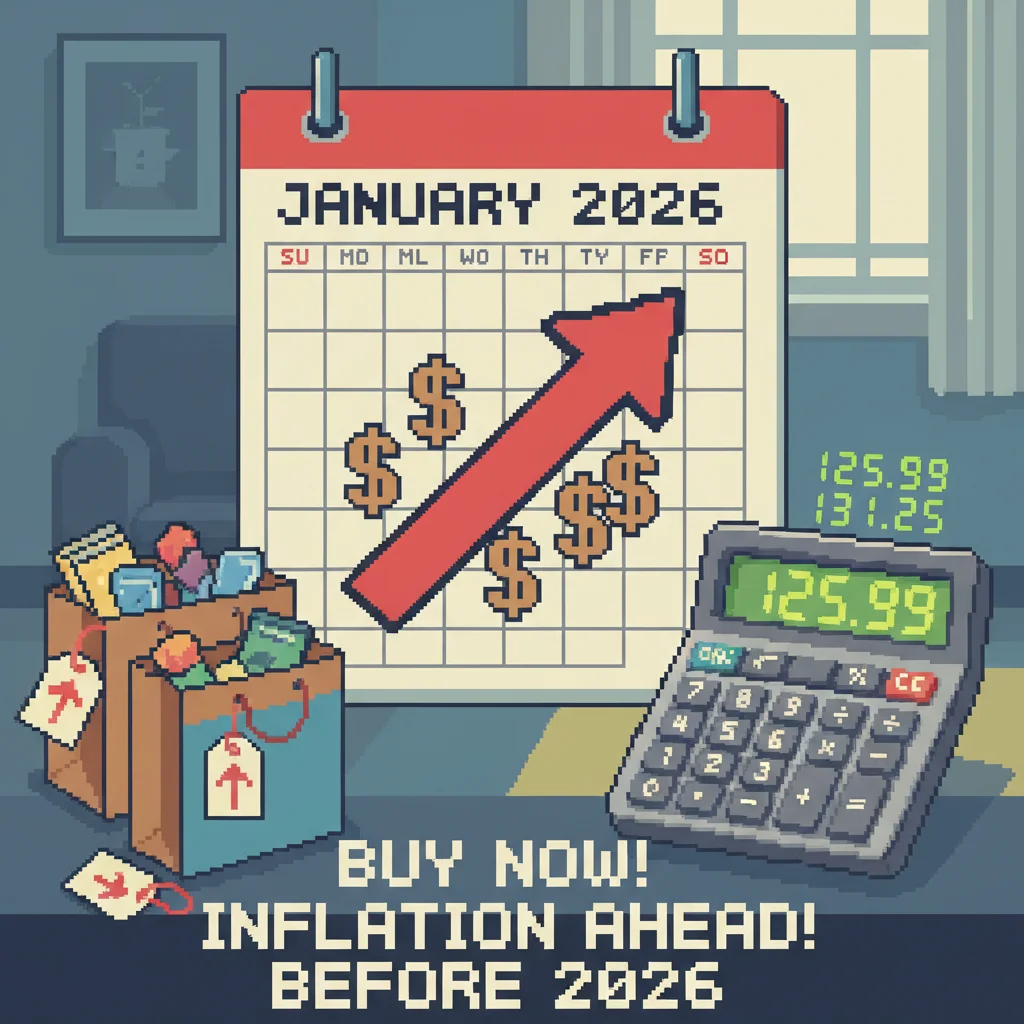
Seventy-seven percent of consumers expect higher prices in 2026, making strategic purchase timing crucial now to avoid paying significantly more for major items and everyday essentials.
A significant majority of American shoppers are bracing for substantial price increases heading into 2026. This widespread consumer sentiment isn’t mere speculation—it reflects real economic trends, supply chain adjustments, and inflation pressures that are reshaping the retail landscape. For budget-conscious consumers in the United States, understanding this forecast and acting strategically during the current window can mean hundreds or even thousands of dollars in savings. The timing of major purchases over the next few weeks could directly affect your household finances throughout 2026 and beyond.
Understanding the 77% survey on consumer price expectations
Recent consumer sentiment data reveals that nearly three-quarters of Americans are preparing for a more expensive retail environment in 2026. This statistic stems from comprehensive surveys tracking consumer confidence, purchasing intentions, and inflation anxiety across diverse demographic groups. The 77% figure represents both widespread awareness of economic conditions and genuine concern about maintaining purchasing power in the year ahead.
What drives this expectation? Multiple factors converge to shape consumer outlook. Inflation, though moderated from its 2022 peak, continues to influence pricing strategies across retail sectors. Supply chain dynamics still haven’t fully normalized post-pandemic, creating ongoing cost pressures for businesses that eventually trickle down to consumer prices. Additionally, tariffs, labor cost increases, and raw material expenses all contribute to the realistic anticipation of higher prices.
Why consumer sentiment matters for your shopping strategy
- Surveys measuring consumer expectations often precede actual price movements—when 77% anticipate increases, retailers and manufacturers frequently confirm those expectations by raising prices
- This data signals potential price inflation across multiple categories simultaneously, not just isolated product sectors
- Consumer awareness of price pressures often translates to accelerated purchasing before increases take effect
- Understanding widespread sentiment helps you benchmark your own purchasing timeline against broader market trends
The significance of this 77% figure extends beyond mere statistics. It reflects a collective consumer understanding that now is the time to act, before price tags shift upward. This shared awareness typically leads to concentrated purchasing activity in the months leading up to anticipated increases, creating both opportunities and urgency for savvy shoppers.
Which product categories face the biggest 2026 price increases
Price increases in 2026 won’t affect all product categories equally. Understanding which sectors face the steepest increases helps you prioritize your strategic purchasing. Some categories carry greater price elasticity than others, meaning manufacturers and retailers will pass cost increases more directly to consumers in specific areas.
High-priority categories for early purchasing
- Home appliances and electronics: Supply chain pressures and component costs suggest 8-15% increases for major appliances, refrigerators, washers, dryers, and high-end electronics
- Furniture and home goods: Shipping costs and material inflation typically translate to 5-12% price increases in this sector
- Vehicles and auto parts: Semiconductor availability and manufacturing costs support predictions of 3-8% increases in both new vehicles and replacement parts
- Groceries and food staples: Agricultural input costs and transportation expenses historically drive 2-6% increases in this essential category
Beyond these primary categories, expect moderate increases across clothing, personal care items, and household supplies. The variation in price increase percentages reflects different supply chains, competitive pressures, and cost structures within each industry. Products with less competitive pressure—think luxury goods or specialized items—may see even steeper increases than mass-market alternatives.
Strategic timing for major household purchases
The window between now and early 2026 represents a critical opportunity for strategic purchasing. Timing isn’t about rushing into panic buying; rather, it’s about aligning planned purchases with the optimal moment before price increases take effect. This requires assessing your household needs honestly and distinguishing between genuine necessities and discretionary wants.
Optimal purchase timing by category
- December through January: Retailers typically clear inventory after holidays while offering competitive pricing. Major appliances, electronics, and furniture see aggressive holiday discounting that carries into January
- January through February: New model year arrivals in vehicles and appliances sometimes create opportunities on outgoing inventory, though prices may already reflect anticipated increases
- February through March: Tax refund season creates heightened competition among retailers. This buying surge occasionally leads to promotional pricing before spring price adjustments
- Avoid April onward: By late spring, most retailers have implemented 2026 price increases, reducing your bargaining position and negotiation opportunities
For major purchases requiring delivery or installation, timing becomes even more critical. Scheduling a refrigerator delivery in January differs significantly from scheduling it in April—not just in price, but also in delivery timeframes and contractor availability. The later into 2026 you push major purchases, the more you’ll pay and potentially the longer you’ll wait for service.
Smart shopping strategies before price hikes take effect
Strategic purchasing extends beyond simply buying earlier. Informed shoppers combine timing awareness with proven money-saving techniques to maximize their savings before price increases reshape the retail landscape. These strategies work independently but produce superior results when combined deliberately.
Layering savings methods for maximum impact
- Combine coupons with sales: Use digital coupons, manufacturer rebates, and cashback apps simultaneously with holiday sales and promotional events for compounded savings of 20-40%
- Price match across retailers: Before 2026 price increases fully roll out, leverage price matching policies at major retailers to capture the lowest available pricing
- Negotiate on big-ticket items: Appliance stores, furniture retailers, and auto dealerships frequently negotiate on final prices, particularly on items facing imminent price increases
- Buy bulk staples strategically: For non-perishable items expecting price increases, buying larger quantities now locks in lower per-unit pricing before 2026 adjustments
Beyond tactical discounting, consider bulk purchasing for items with long shelf lives. Non-perishable groceries, paper products, and personal care items store well and provide direct comparison between today’s prices and 2026’s higher pricing. A $15 increase on household paper products might seem minor until multiplied across a year’s consumption—bulk purchasing now captures those savings directly.
Maximizing deals and coupons in the critical buying window
The period immediately following the holidays through February represents peak deal availability. Retailers compete aggressively for consumer dollars after holiday spending fatigue, and manufacturers release substantial promotional budgets to move inventory before implementing price increases. Understanding how to access and combine these deals separates savvy shoppers from those paying full price.
Deal sources and timing optimization
- Email newsletter subscriptions: Retailers provide exclusive coupon codes to email subscribers weeks before public promotions. Signing up now captures deals unavailable to general shoppers
- Loyalty program advantages: Retail loyalty programs offer doubled points, exclusive member-only pricing, and early access to sales. Accumulating points through 2026 purchases provides benefits throughout the year
- Cashback apps and programs: Digital cashback services stack on top of store discounts and manufacturer coupons, sometimes adding 5-15% additional savings on qualifying purchases
- Manufacturer direct offers: Companies often provide substantial discounts when purchasing directly before retail prices increase, sometimes offering 15-25% savings versus standard retail pricing
Timing coupon usage matters tremendously. Stacking digital coupons with seasonal clearance sales and manufacturer promotions produces savings levels impossible to achieve through any single method. Moreover, many retailers honor competitor coupons during promotional periods, effectively expanding your coupon options and savings potential across multiple retailers simultaneously.
Preparing your household budget for 2026 price reality
While strategic purchasing before price increases mitigates future costs, prudent financial planning requires adjusting household budgets to reflect 2026’s reality. Even with successful pre-buying strategies, some purchases will occur after price increases, necessitating budget adjustments for the year ahead.
Budget planning considerations for price-inflated 2026
- Calculate anticipated increases: Apply projected category-specific increases to your annual spending estimates. A family spending $500 annually on groceries faces approximately $10-30 additional costs if experiencing 2-6% increases
- Prioritize pre-2026 purchases: Allocate extra spending power now toward strategic purchases, borrowing from future budget allowances to capture current savings opportunities
- Create contingency reserves: Build emergency funding into 2026 budgets acknowledging that unexpected expenses may cost 5-12% more than historical baseline
- Track actual price increases: Monitor realized price changes in your regular purchases against predictions, adjusting 2026 budget allocations based on real-world inflation data
Practical budget adjustments begin with honest assessment of your household’s regular spending patterns. Families spending significant amounts on groceries, utilities, and household staples should allocate greater budget increases to these categories than those with smaller essential spending. Conversely, households making discretionary purchases should carefully evaluate timing to maximize savings before increases take effect.
Taking action now: Your 2026 shopping roadmap
Understanding that 77% of consumers expect higher prices in 2026 provides valuable context for immediate action. This widespread expectation creates a narrow window for strategic purchasing before retailers implement price increases across categories. The difference between shopping now versus shopping in spring 2026 could easily total hundreds of dollars for typical households.
Your roadmap should prioritize major purchases first—appliances, furniture, vehicles, and home improvement items where price increases significantly impact total costs. Use the current promotional environment to your advantage through coupon stacking, loyalty program rewards, and competitive shopping. Build a timeline aligned with January through February peak deal periods. For ongoing monthly expenses, adjust household budgets to reflect realistic 2026 pricing while actively shopping deals in the months before increases take effect.
The window is open now, but it closes quickly. As 2026 approaches and price increases solidify, the opportunities for savings diminish correspondingly. Acting strategically during these critical months transforms consumer anxiety about price increases into concrete savings that strengthen your household finances throughout 2026 and beyond.
| Category | Projected increase and action timeline |
|---|---|
| Appliances | 8-15% increase. Purchase December through January for best pricing and availability. |
| Furniture | 5-12% increase. January clearance sales offer best opportunities before February price hikes. |
| Groceries | 2-6% increase. Stock staples now. Buy bulk non-perishables before spring increases take effect. |
| Electronics | 8-15% increase. Post-holiday promotions (January) provide best savings before 2026 price restructuring. |
Frequently asked questions about buying before 2026 price hikes
No. Prioritize major purchases with significant price impacts—appliances, furniture, vehicles—where even small percentage increases equal substantial dollars. For perishables and rapid-consumption items, buy strategically for items with reasonable shelf lives. Storage space and financial capacity should guide your overall approach.
Savings depend on your purchasing patterns and categories targeted. A new refrigerator might save $150-300 if purchased at January sales versus April regular pricing. Bulk grocery buying might save 10-20% on annual staple costs. Combined strategies targeting multiple categories could total $500-2,000+ annually for typical households.
Yes. Storage limitations, product obsolescence (particularly electronics), spoilage of perishables, and warranty coverage timing are legitimate concerns. For durable goods like appliances, verify warranty terms. For food items, check expiration dates carefully. Buy conservatively unless you have genuine storage capacity and reasonable consumption timelines.
Most retailers implement annual price increases in late January through March as new inventory arrives and old stock clears. January holiday clearance sales represent your final window for prior-year pricing. Waiting until April typically means encountering 2026 prices across most retail categories without promotional overrides.
Combine manufacturer coupons with store coupons, loyalty program discounts, and cashback apps simultaneously. Time your purchases during major sales events when retailers often honor competitor coupons. Digital coupon platforms frequently offer exclusive codes stacking on promotional pricing, sometimes doubling or tripling total savings.
The bottom line
The collective consumer expectation that 77% of Americans hold regarding 2026 price increases reflects real economic conditions and represents genuine opportunity for strategic shoppers. The critical window for action remains open now but closes as 2026 progresses and retailers implement price increases across categories. By aligning major purchases with current promotional periods, leveraging available coupons and deals, and adjusting household budgets to reflect realistic 2026 pricing, consumers can substantially mitigate the impact of anticipated price increases on their household finances.
