Average Cart Value Climbed to $114.70 During 2025 BFCM Deal Events
Advertisements
The 2025 Black Friday Cyber Monday (BFCM) events saw a significant surge, with the average cart value climbing to an impressive $114.70, reflecting evolving consumer purchasing behaviors and effective retail strategies.
During the highly anticipated 2025 Black Friday Cyber Monday (BFCM) deal events, a notable shift occurred in consumer spending patterns, with the average cart value climbed to 114.70 dollars during 2025 BFCM deal events. This figure represents more than just a number; it signals a dynamic evolution in how consumers approach holiday shopping and the strategic successes of retailers. What factors contributed to this significant increase, and what implications does it hold for the future of e-commerce and retail?
Understanding the 2025 BFCM Landscape
The 2025 BFCM period was a pivotal moment for retail, characterized by a complex interplay of consumer optimism, advanced technological integrations, and refined marketing tactics. It wasn’t merely about discounts; it was about delivering value and convenience in an increasingly competitive marketplace. This year’s events underscored a maturation in online shopping habits, with consumers demonstrating a clear willingness to invest more per transaction.
The Rise of Strategic Shoppers
One primary driver behind the increased average cart value was the emergence of a more strategic consumer base. Shoppers in 2025 were better informed, often conducting extensive research before making purchases. They were actively seeking out bundled deals and higher-ticket items, rather than simply hunting for individual low-priced products. This shift suggests a move towards value-driven purchasing over pure discount hunting.
- Pre-purchase research: Consumers spent more time comparing products and prices.
- Bundled offers: Retailers successfully promoted packages, increasing perceived value.
- High-ticket item focus: Shoppers were more confident investing in larger purchases.
Technological Advancements in Retail
Technological innovations played a critical role in facilitating these larger transactions. Enhanced personalization engines, seamless checkout processes, and improved mobile shopping experiences made it easier for consumers to add more items to their carts. AI-driven recommendation systems, in particular, proved highly effective in cross-selling and up-selling, subtly influencing shoppers to expand their purchases.
The overall landscape of 2025 BFCM was a testament to the evolving dynamics of retail. Retailers who embraced data-driven strategies and prioritized customer experience saw the most significant gains, cementing the trend of higher average transaction values. This success story is a blueprint for future seasonal sales events, emphasizing the importance of a holistic approach to customer engagement.
Factors Driving the $114.70 Average Cart Value
Several interconnected factors contributed to the impressive average cart value seen during the 2025 BFCM deal events. It was not a singular phenomenon but rather the result of carefully orchestrated strategies by retailers combined with evolving consumer behaviors. Understanding these elements is crucial for dissecting the success of this period.
Enhanced Personalization and AI Recommendations
Retailers leveraged advanced AI and machine learning to deliver highly personalized shopping experiences. This went beyond simple product recommendations; it included tailored promotions, customized landing pages, and even dynamic pricing based on individual browsing history and preferences. When consumers feel understood and catered to, they are more likely to explore additional offerings and ultimately spend more.
- Customized shopping paths: AI guided users through relevant product categories.
- Dynamic pricing strategies: Offers were optimized for individual purchasing power.
- Predictive analytics: Retailers anticipated needs before customers even searched.
The precision of these recommendations meant that shoppers were exposed to items they genuinely needed or desired, reducing friction in the buying journey and encouraging larger basket sizes. This symbiotic relationship between technology and consumer psychology proved incredibly effective in pushing the average cart value climbed to 114.70 dollars during 2025 BFCM deal events.
Strategic Bundling and Premium Offerings
Another significant factor was the widespread adoption of strategic product bundling and the promotion of premium offerings. Instead of just deep discounts on single items, many retailers focused on creating compelling bundles that offered greater perceived value. For instance, electronics retailers might package a new gadget with accessories and an extended warranty, making the combined offer more attractive than purchasing each item separately.
Furthermore, there was a noticeable trend towards consumers opting for higher-quality or premium versions of products. Perhaps due to increased disposable income or a desire for durability and enhanced features, shoppers were willing to pay more for products that promised longevity or superior performance. Retailers recognized this trend and strategically highlighted their premium lines during BFCM, capitalizing on this consumer inclination.
These combined strategies, from hyper-personalization to value-driven bundling, created an environment where consumers felt empowered to make larger, more considered purchases. The result was a substantial boost to the average cart value across the board, setting a new benchmark for future sales events.
The Impact of Economic Climate on Consumer Spending
The broader economic climate in 2025 played a significant, albeit nuanced, role in influencing consumer spending habits during BFCM. While economic stability generally encourages spending, specific factors within the 2025 landscape shaped how and where consumers chose to allocate their budgets, directly impacting the average cart value. Understanding this context is crucial for a complete picture of the BFCM success.
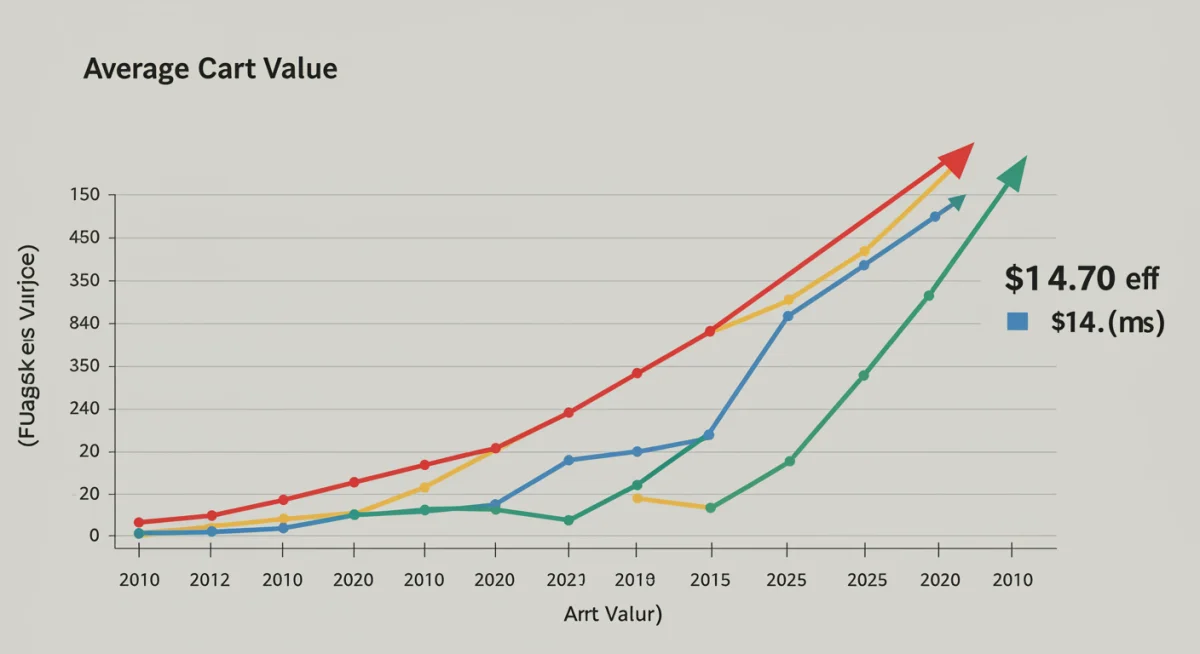
By 2025, many regions, particularly the United States, had experienced a period of sustained economic growth and relatively stable inflation. This created a sense of financial security among a significant portion of the population, leading to greater confidence in making discretionary purchases. Consumers who had perhaps held back on larger expenditures in previous, more uncertain times felt more comfortable investing in higher-value items.
Stable Disposable Income and Consumer Confidence
Reports from economic analysts indicated a healthy level of disposable income for many households. This financial comfort translated into less hesitancy when faced with attractive BFCM deals. Instead of only buying essentials, consumers were more inclined to treat themselves or invest in items they had been saving for. High consumer confidence is a powerful catalyst for increased spending, and 2025 provided fertile ground for this.
- Increased savings: Many households had accumulated savings, ready for major sales events.
- Job market stability: Low unemployment rates bolstered financial security.
- Optimistic outlook: General positive sentiment about future economic conditions.
Inflation Management and Perceived Value
While inflation had been a concern in prior years, effective monetary policies and supply chain stabilization efforts meant that by 2025, inflation was more manageable. This allowed retailers to offer genuine value through their BFCM deals, rather than merely adjusting prices to keep pace with rising costs. Consumers perceived these deals as more authentic and beneficial, encouraging them to buy more.
Furthermore, the perceived value of products became a key determinant. Even with stable prices, shoppers were astute at identifying which deals truly offered a significant saving or provided a substantial upgrade. This discernment pushed them towards higher-quality, often more expensive, items when the value proposition was clear. The economic environment thus fostered a scenario where the average cart value climbed to 114.70 dollars during 2025 BFCM deal events, driven by both financial capability and a sharp eye for value.
Retailer Strategies That Fueled the Surge
The remarkable increase in average cart value during 2025 BFCM was not accidental; it was the direct outcome of sophisticated and well-executed strategies by retailers. These strategies moved beyond simple price reductions, focusing instead on optimizing the entire customer journey and maximizing the perceived benefits of purchasing during the deal events. Retailers understood that to truly capitalize on the BFCM fervor, they needed to offer more than just discounts.
Optimized User Experience and Seamless Checkout
A critical component of retailer success was the investment in an optimized user experience (UX), particularly on e-commerce platforms. Websites and mobile apps were designed for intuitive navigation, fast loading times, and a frictionless checkout process. Any barrier to purchase, such as slow pages or complicated forms, was meticulously removed. This seamless experience meant consumers could easily add multiple items to their cart without frustration, leading directly to higher transaction values.
- Mobile-first design: Ensuring flawless shopping on smartphones and tablets.
- One-click purchasing: Simplifying the final steps of a transaction.
- Guest checkout options: Reducing friction for new or infrequent shoppers.
Extended Deal Periods and Early Access Offers
Many retailers extended their BFCM sales beyond the traditional weekend, starting deals earlier in November and often carrying them through the first week of December. This elongated sales window allowed consumers more time to browse, compare, and make purchasing decisions, reducing the pressure of a limited-time rush. Early access offers for loyalty program members or email subscribers also played a significant role, creating a sense of exclusivity and encouraging these valuable customers to spend more.
These strategic extensions and exclusive perks not only built anticipation but also provided ample opportunity for customers to fill their carts with more items. The psychological effect of having more time to shop, combined with feeling like an insider with early access, undeniably contributed to the phenomenon where the average cart value climbed to 114.70 dollars during 2025 BFCM deal events. Retailers successfully created an environment where spending more felt both convenient and rewarding.
Consumer Behavior Shifts and Preferences
Beyond economic indicators and retailer strategies, fundamental shifts in consumer behavior and preferences played a crucial role in elevating the average cart value during the 2025 BFCM events. Modern shoppers are more discerning, value-conscious, and influenced by digital trends, all of which converged to shape their purchasing decisions in significant ways. Understanding these behavioral nuances is key to grasping the full scope of the BFCM success.
Conscious Consumption and Value Perception
While discounts remain appealing, 2025 saw a stronger emphasis on conscious consumption. Consumers were not just looking for the cheapest option but for products that offered long-term value, durability, or aligned with their personal values, such as sustainability or ethical sourcing. This meant they were often willing to spend more on a single, higher-quality item rather than multiple cheaper alternatives. The perception of value extended beyond price to encompass quality, brand reputation, and impact.
This shift encouraged consumers to consolidate their purchases, opting for fewer, more significant items per transaction. Instead of making numerous small, impulsive buys, they made fewer, more substantial, and well-thought-out purchases. This directly contributed to a higher average value per cart, even if the total number of items bought might not have drastically increased.
Influence of Social Commerce and Digital Trends
Social commerce continued its meteoric rise in 2025, heavily influencing purchasing decisions. Platforms like TikTok Shop, Instagram Shopping, and live stream shopping events created immersive and interactive buying experiences. Influencer recommendations, user-generated content, and direct purchase options within social feeds streamlined the path from discovery to purchase.
- Live shopping events: Real-time product demonstrations and exclusive deals.
- Influencer marketing: Trusted voices guiding purchasing decisions.
- Seamless in-app purchases: Reducing steps between browsing and buying.
These digital trends fostered an environment where consumers were constantly exposed to new products and compelling offers, often with a social proof element. The ease of adding items to a cart directly from a social feed, combined with the persuasive power of community and influencers, encouraged shoppers to expand their purchases. This potent combination of conscious value perception and digital influence was instrumental in why the average cart value climbed to 114.70 dollars during 2025 BFCM deal events, showcasing a sophisticated evolution in consumer behavior.
Category-Specific Performance and Trends
The overall surge in the average cart value during BFCM 2025 was not uniformly distributed across all product categories. While the general trend was upward, certain sectors experienced more pronounced growth, reflecting shifting consumer priorities and specific market dynamics. Analyzing these category-specific performances offers deeper insights into where consumers were most willing to spend more.
Electronics and Home Goods Lead the Way
As in previous years, electronics remained a dominant force, but in 2025, consumers demonstrated a willingness to invest in higher-end gadgets and smart home devices. The average cart value in this category was significantly boosted by purchases of premium smartphones, advanced gaming consoles, large-screen TVs, and integrated smart home systems. The increasing sophistication and utility of these products justified their higher price points for many shoppers.
Home goods also saw a substantial increase, driven by a continued focus on home improvement and creating more comfortable living spaces. Items like high-quality kitchen appliances, smart furniture, and sophisticated home decor contributed significantly to larger basket sizes. Consumers viewed these as long-term investments in their daily lives, making them less price-sensitive during the sales event.
Apparel and Beauty See Targeted Spending
In contrast, while apparel and beauty still performed well, the spending patterns were more targeted. Instead of broad purchases, consumers in these categories often focused on specific, higher-value items like designer pieces, specialized skincare sets, or premium health and wellness products. The average cart value here was less about volume and more about the individual price point of chosen items.
- Luxury apparel: Investment in fewer, higher-quality clothing items.
- Advanced beauty tech: Devices and high-end cosmetic lines gaining traction.
- Sustainable fashion: Shoppers willing to pay more for ethically produced goods.
The data suggests that consumers were making more deliberate choices, opting for quality and purpose over sheer quantity across various categories. This strategic purchasing behavior, heavily influenced by perceived value and product longevity, was a key contributor to why the average cart value climbed to 114.70 dollars during 2025 BFCM deal events, highlighting a more mature and discerning consumer base.
Implications for Future Retail and E-commerce
The significant climb in average cart value during the 2025 BFCM events carries profound implications for the future of retail and e-commerce. This trend is not a fleeting anomaly but rather a strong indicator of evolving market dynamics, consumer expectations, and the strategies that will define success in the coming years. Retailers must internalize these lessons to remain competitive and relevant.
Prioritizing Value Over Pure Discounting
The most evident implication is the shift away from a sole reliance on deep discounting. While sales will always attract attention, the 2025 BFCM data suggests that consumers are increasingly looking for overall value—a combination of quality, innovation, convenience, and a seamless shopping experience—rather than just the lowest price. Future retail strategies must focus on articulating this broader value proposition, whether through product bundling, enhanced features, or superior customer service.
Investing in Personalized Experiences and Technology
The success of AI-driven personalization and optimized user interfaces underscores the necessity for continuous investment in technology. Retailers who can deliver hyper-relevant product recommendations, anticipate customer needs, and provide a frictionless shopping journey will be best positioned to capture higher cart values. This means embracing data analytics, refining AI algorithms, and ensuring mobile-first design principles are at the core of e-commerce operations.
- Data-driven insights: Using analytics to understand and predict consumer behavior.
- AI integration: Implementing AI for recommendations, chatbots, and dynamic pricing.
- Seamless omnichannel: Blending online and in-store experiences for consistency.
Furthermore, the rise of social commerce platforms indicates that retailers must integrate their sales channels more deeply into social media ecosystems. Engaging with customers where they spend their time, and making the path to purchase as direct as possible, will be crucial. The fact that the average cart value climbed to 114.70 dollars during 2025 BFCM deal events serves as a powerful testament to the effectiveness of these integrated, value-centric, and technologically advanced retail approaches. The future of retail is not just about selling products, but about selling comprehensive, personalized solutions.
| Key Aspect | Brief Description |
|---|---|
| Average Cart Value (BFCM 2025) | Reached $114.70, indicating increased consumer spending per transaction. |
| Key Drivers | Personalization, strategic bundling, stable economy, and optimized UX. |
| Consumer Behavior | Shift towards value-driven purchases, conscious consumption, and social commerce influence. |
| Retailer Focus | Prioritizing holistic value, advanced technology, and seamless omnichannel experiences. |
Frequently Asked Questions About 2025 BFCM Spending
The primary reason was a combination of advanced retailer strategies, including hyper-personalization and strategic product bundling, coupled with a more confident and value-driven consumer base in a stable economic climate. Shoppers were willing to invest more in quality and convenience.
Technology played a crucial role through AI-driven recommendations, seamless mobile shopping experiences, and optimized checkout processes. These innovations made it easier and more appealing for consumers to add more items to their carts and complete larger transactions efficiently.
Electronics and home goods categories experienced the most significant boost. Consumers showed a strong inclination to purchase higher-end gadgets, smart home devices, and quality home furnishings, viewing them as valuable long-term investments rather than impulsive buys.
For future retail, this trend emphasizes prioritizing holistic value over pure discounting, investing in personalized customer experiences, and leveraging advanced technology. Retailers should focus on creating a seamless, value-driven shopping journey across all channels.
While discounts remained attractive, consumers in 2025 were increasingly driven by perceived value. They sought products offering long-term benefits, quality, and alignment with personal values, indicating a more conscious and strategic approach to their BFCM purchases.
Conclusion
The analysis of the 2025 Black Friday Cyber Monday deal events unequivocally shows that the average cart value climbed to 114.70 dollars during 2025 BFCM deal events, marking a significant milestone in retail. This increase was not a simple stroke of luck but the culmination of a sophisticated blend of retailer innovation, a stable economic environment, and evolving consumer behaviors. Shoppers demonstrated a clear preference for value, personalized experiences, and seamless purchasing journeys, moving beyond mere discount hunting. For retailers, the lessons are clear: invest in technology, prioritize customer experience, and focus on delivering comprehensive value to foster continued growth and meet the demands of an increasingly discerning market. The 2025 BFCM period serves as a powerful blueprint for future success, highlighting that strategic engagement and understanding consumer psychology are paramount in the dynamic world of e-commerce.
