AI-Driven Deal Discovery Traffic to Surge 520% by 2025 Holiday Season
Advertisements
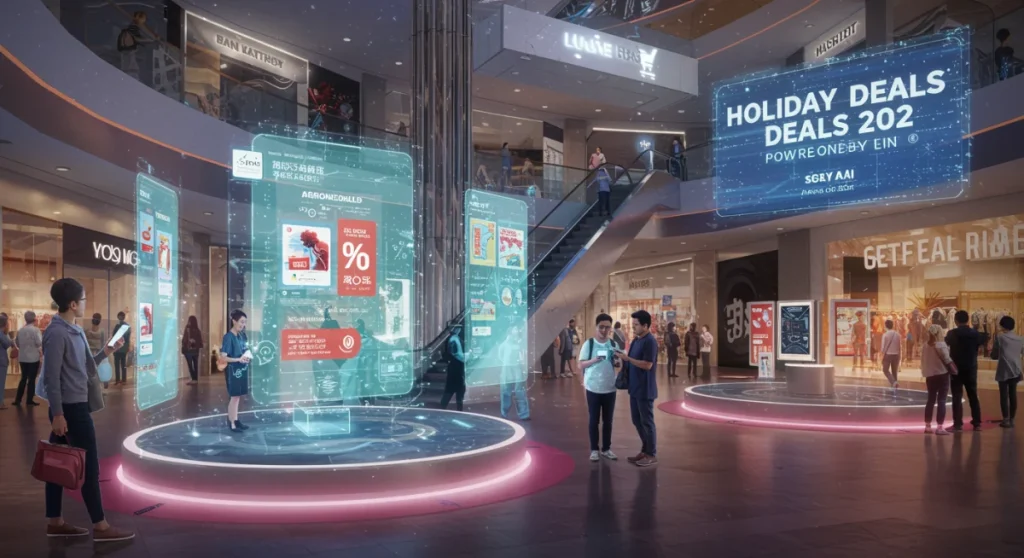
AI-driven deal discovery traffic is projected to experience an astounding 520% surge during the 2025 holiday season, fundamentally transforming consumer shopping behaviors and retail strategies through highly personalized and efficient deal identification.
The upcoming 2025 holiday season is poised to witness a seismic shift in consumer behavior, driven primarily by the burgeoning influence of artificial intelligence. Industry analysts and market researchers are forecasting an unprecedented acceleration, with AI-Driven Deal Discovery Traffic Predicted to Surge 520% During 2025 Holiday Season. This remarkable growth signifies a pivotal moment for both shoppers and retailers, redefining how value is perceived and accessed in the digital marketplace.
The Dawn of Hyper-Personalized Shopping Experiences
The evolution of e-commerce has always been about making shopping more convenient and tailored to individual needs. However, the integration of artificial intelligence is elevating this experience to an entirely new level, moving beyond simple recommendations to proactive deal discovery. This shift is not just incremental; it’s a fundamental re-engineering of the consumer journey, promising unparalleled relevance and efficiency.
AI’s ability to process vast amounts of data, including past purchases, browsing history, wish lists, and even social media activity, allows it to construct incredibly detailed consumer profiles. These profiles are then used to predict purchasing intent and identify deals that are not only relevant but also highly desirable to individual shoppers, often before they even begin actively searching.
Understanding the AI Advantage in Deal Discovery
The core of AI-driven deal discovery lies in its predictive capabilities and its capacity for continuous learning. Unlike traditional methods that rely on broad categories or manual browsing, AI algorithms can pinpoint specific offers that align perfectly with a consumer’s unique preferences and budget.
- Predictive Analytics: AI analyzes historical data to anticipate future purchasing needs and deal preferences.
- Real-time Optimization: Algorithms constantly adjust deal recommendations based on immediate browsing behavior and market fluctuations.
- Personalized Notifications: Shoppers receive alerts for deals that are highly relevant to them, reducing information overload.
- Dynamic Pricing Insights: AI can even help consumers understand optimal buying times by tracking price histories.
This hyper-personalization transforms the holiday shopping experience from a frantic search to a streamlined, almost intuitive process. Consumers are no longer bombarded with irrelevant promotions; instead, they receive curated selections that genuinely resonate with their interests, saving time and often leading to greater satisfaction with their purchases. The era of one-size-fits-all promotions is rapidly fading, replaced by a bespoke approach powered by intelligent systems.
Ultimately, the rise of hyper-personalized shopping experiences through AI is a win-win. Consumers find the deals they truly want with less effort, and retailers see higher conversion rates and increased customer loyalty. This symbiotic relationship is a key driver behind the projected surge in AI-driven deal discovery traffic, setting the stage for a revolutionary holiday season in 2025.
Technological Underpinnings: How AI Powers the Surge
The astonishing prediction of a 520% surge in AI-driven deal discovery traffic isn’t merely speculative; it’s rooted in significant advancements in artificial intelligence and machine learning technologies. Understanding these technological underpinnings is crucial to grasping the magnitude of this impending shift. From sophisticated algorithms to enhanced processing power, the infrastructure supporting this revolution is becoming increasingly robust.
At the heart of this capability are neural networks and deep learning models, which can discern complex patterns in vast datasets that would be impossible for human analysts to process. These models learn from every interaction, every click, and every purchase, constantly refining their ability to identify and present the most pertinent deals.
Key AI Technologies Driving Deal Discovery
Several core AI technologies are converging to make this surge possible. Each plays a vital role in enhancing the accuracy, speed, and personalization of deal recommendations. The synergy between these technologies creates a powerful engine for consumer engagement and sales conversion.
- Natural Language Processing (NLP): Enables AI to understand search queries, product reviews, and deal descriptions in natural language, improving relevance.
- Computer Vision: Allows AI to analyze product images and videos, identifying features and styles that match user preferences.
- Reinforcement Learning: AI systems learn through trial and error, optimizing deal presentation and timing based on user responses.
- Big Data Analytics: The ability to process and derive insights from massive datasets of consumer behavior, market trends, and pricing.
Beyond these foundational elements, the proliferation of edge computing and 5G networks means that AI processing can occur closer to the user, leading to faster response times and a more seamless experience. This reduction in latency is particularly important during high-traffic periods like the holiday season when every second counts for both shoppers and retailers.
The continuous development of AI ethics and explainable AI (XAI) is also contributing to trust and adoption. As consumers become more comfortable with how AI uses their data, their willingness to engage with AI-powered discovery tools increases. This combination of advanced algorithms, robust infrastructure, and growing consumer trust forms the bedrock upon which the predicted 520% surge will be built, transforming the landscape of holiday shopping.
Impact on Consumer Behavior and Shopping Habits
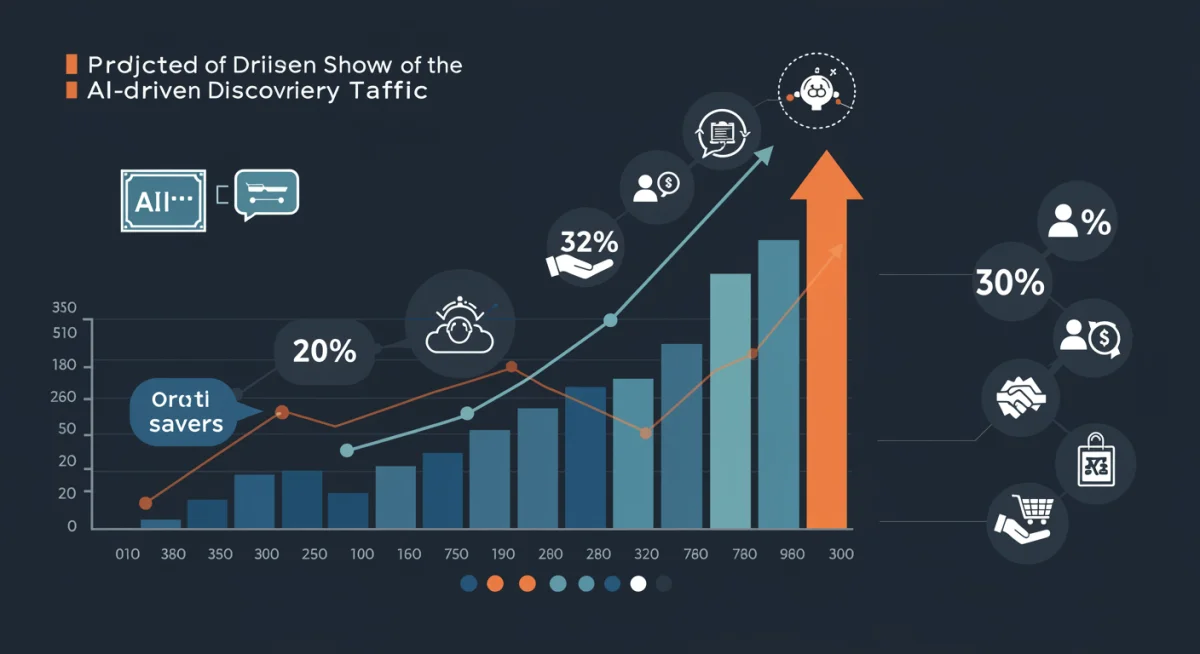
The predicted surge in AI-driven deal discovery traffic will undoubtedly have a profound impact on consumer behavior and reshape traditional shopping habits. No longer will consumers passively wait for sales events or browse through endless flyers; instead, they will be proactively engaged by intelligent systems delivering highly relevant offers directly to them. This shift fundamentally alters the dynamics of consumer decision-making and loyalty.
Consumers are increasingly valuing convenience and personalization, and AI-driven deal discovery directly addresses both. The ability to receive tailored recommendations saves time, reduces decision fatigue, and often leads to more satisfying purchases, fostering a new level of dependency on these intelligent tools.
Shifting Paradigms in Consumer Engagement
The way consumers interact with brands and deals will become much more dynamic and responsive. Impulse purchases might become more common when an irresistible, personalized deal appears, while planned purchases could be optimized for timing and price with AI assistance. This changes the entire rhythm of shopping.
- Increased Impulse Buys: Highly relevant, time-sensitive deals can trigger immediate purchases.
- Reduced Brand Loyalty (or re-defined): Consumers may prioritize the best deal over brand allegiance, driven by AI comparisons.
- Smarter Budgeting: AI can help consumers maximize their spending power by identifying optimal purchase times.
- Voice Commerce Integration: AI deal discovery will seamlessly integrate with voice assistants, enabling hands-free shopping.
This intelligent assistance removes much of the friction associated with finding good deals, especially during the chaotic holiday season. Shoppers can spend less time sifting through irrelevant promotions and more time enjoying the act of buying or focusing on other aspects of their lives. The expectation for personalized value will become the norm, raising the bar for retailers.
Ultimately, consumers will become more empowered, armed with AI tools that give them an edge in the marketplace. This empowerment will drive increased engagement with AI-powered platforms, contributing significantly to the predicted surge. Retailers who fail to adapt to these evolving consumer expectations risk being left behind in a rapidly changing retail landscape.
Retailer Strategies for Capitalizing on AI Deals
For retailers, the predicted 520% surge in AI-driven deal discovery traffic presents both an immense opportunity and a significant challenge. To capitalize on this trend, businesses must strategically integrate AI into their operational frameworks, moving beyond basic recommendation engines to sophisticated, predictive deal-making. This requires a fundamental rethinking of marketing, inventory management, and customer relationship strategies.
The retailers who will thrive are those that embrace AI not just as a tool for automation but as a core component of their customer acquisition and retention efforts. This involves investing in advanced AI platforms, fostering data-driven cultures, and training teams to leverage AI insights effectively.
Adapting to the AI-Powered Retail Landscape
Successful adaptation means understanding how AI influences every touchpoint of the customer journey, from initial discovery to post-purchase engagement. Retailers need to ensure their promotions are not only compelling but also intelligently distributed to the right audience at the right time.
- Dynamic Pricing Models: Implementing AI to adjust prices in real-time based on demand, competitor pricing, and inventory levels.
- Personalized Marketing Campaigns: Crafting highly targeted ads and email campaigns driven by AI-generated consumer insights.
- Optimized Inventory Management: Using AI to predict demand for specific products, reducing overstocking and stockouts, especially during peak seasons.
- Enhanced Customer Service: Deploying AI-powered chatbots and virtual assistants that can proactively offer deals and resolve queries.
Furthermore, retailers should focus on creating seamless omnichannel experiences where AI continually learns from interactions across all platforms—online, in-store, and mobile. This unified view of the customer allows for consistent personalization and deal delivery, regardless of how or where the customer chooses to shop.
The ability to analyze real-time market data and consumer sentiment through AI will enable retailers to react swiftly to emerging trends and competitor actions, maintaining a competitive edge. By actively engaging with AI-driven deal discovery, retailers can transform a potential threat into a powerful mechanism for growth, driving both sales volume and customer loyalty during the bustling 2025 holiday season and beyond.
Challenges and Ethical Considerations of AI Deal Discovery
While the prospect of a 520% surge in AI-driven deal discovery traffic during the 2025 holiday season promises unprecedented efficiency and personalization, it also introduces a complex array of challenges and ethical considerations. The power of AI to influence purchasing decisions, manage personal data, and shape market dynamics necessitates careful navigation by both developers and users. Addressing these concerns proactively is essential for sustainable growth and maintaining consumer trust.
One of the primary challenges revolves around data privacy. AI systems require vast amounts of personal data to function effectively, raising questions about how this data is collected, stored, and utilized. Consumers need assurance that their information is secure and used responsibly, without infringing on their privacy.
Navigating the Complexities of AI in Retail
The ethical landscape of AI in deal discovery extends beyond data privacy to issues of algorithmic bias, transparency, and potential for manipulation. Ensuring fairness and preventing discriminatory practices in deal allocation is paramount, especially when algorithms are designed to optimize for profit.
- Data Privacy and Security: Protecting sensitive consumer data from breaches and misuse.
- Algorithmic Bias: Ensuring AI systems do not inadvertently discriminate against certain demographics in deal recommendations.
- Transparency and Explainability: Consumers and regulators need to understand how AI decisions are made, avoiding ‘black box’ scenarios.
- Consumer Manipulation: Preventing AI from exploiting psychological vulnerabilities or creating undue pressure to purchase.
Another significant concern is the potential for AI to create an echo chamber effect, where consumers are only shown deals that reinforce their existing preferences, potentially limiting their exposure to new products or brands. This could stifle market diversity and innovation if not properly managed.
Furthermore, the increased reliance on AI could lead to a ‘race to the bottom’ in pricing, where retailers are constantly undercut by AI-optimized competitors, potentially harming profitability and fostering an unsustainable market environment. Balancing competitive pricing with fair business practices will be a critical task. Addressing these challenges and establishing clear ethical guidelines will be crucial for harnessing the full potential of AI-driven deal discovery while mitigating its risks, ensuring a beneficial outcome for all stakeholders in the 2025 holiday season.
The Future Landscape: Beyond 2025 Holiday Season
The anticipated 520% surge in AI-driven deal discovery traffic during the 2025 holiday season is not merely a peak event but a harbinger of a fundamentally transformed retail landscape. Looking beyond 2025, the integration of AI into every facet of commerce is expected to deepen, making personalized, proactive deal discovery an ingrained expectation rather than a novel feature. This will necessitate continuous innovation and adaptation from both technology providers and retailers.
The future will likely see AI becoming even more embedded in our daily lives, extending beyond traditional e-commerce platforms to smart home devices, in-car systems, and augmented reality shopping experiences. The line between online and offline shopping will continue to blur, with AI serving as the intelligent connector.

Emerging Trends and Innovations
Several emerging trends will define the post-2025 era of AI-driven deal discovery. These innovations aim to make shopping even more intuitive, efficient, and integrated into the fabric of daily life, pushing the boundaries of what is currently possible.
- Proactive AI Assistants: Virtual assistants that anticipate needs and suggest deals even before a search is initiated.
- Immersive Shopping Experiences: VR/AR integration allowing consumers to virtually ‘try on’ or ‘experience’ products with AI-tailored deals.
- Subscription-Based Deal Curation: Premium services offering hyper-exclusive, AI-negotiated deals for subscribers.
- Decentralized Deal Ecosystems: Blockchain-powered platforms ensuring transparency and fairness in AI-driven deal distribution.
The development of more sophisticated emotional AI will also play a role, allowing systems to better understand consumer sentiment and mood, tailoring deals to specific emotional states or life events. Imagine an AI recognizing stress and suggesting a spa package deal, or celebrating a personal milestone with a curated gift offer.
The long-term vision is a retail environment where the friction of finding the perfect product at the best price is virtually eliminated. This future promises a highly optimized shopping experience that is both convenient and deeply personalized, continually evolving as AI technologies advance. The 2025 holiday season will be a critical stepping stone towards this even more integrated and intelligent retail future.
| Key Aspect | Brief Description |
|---|---|
| 520% Surge Prediction | Anticipated growth in AI-driven deal discovery traffic during the 2025 holiday season. |
| Hyper-Personalization | AI tailors deals to individual consumer preferences, history, and behaviors. |
| Retailer Adaptation | Retailers must integrate AI for dynamic pricing, inventory, and targeted marketing. |
| Ethical Considerations | Concerns regarding data privacy, algorithmic bias, and transparency in AI deal discovery. |
Frequently Asked Questions About AI Deal Discovery
It signifies a massive increase in the number of consumers engaging with deals found or recommended by artificial intelligence tools, compared to previous periods. This surge indicates AI’s growing influence in how shoppers find and interact with promotional offers, especially during peak shopping windows like the holiday season.
AI algorithms analyze extensive data points such as past purchase history, browsing patterns, wish list items, demographic information, and real-time market trends. By processing this information, AI constructs a detailed profile for each user, enabling it to suggest highly relevant and desirable deals that align with individual preferences and needs.
Retailers can achieve higher conversion rates, improved customer loyalty, and optimized inventory management. AI allows for dynamic pricing, personalized marketing campaigns, and a deeper understanding of consumer demand, leading to more efficient operations and increased profitability, particularly during competitive periods.
Yes, significant ethical concerns include data privacy and security, as AI requires vast amounts of personal information. There are also risks of algorithmic bias, where certain demographics might be unfairly targeted or excluded, and questions about the transparency of AI decision-making processes. Ensuring fairness and consumer trust is crucial.
Beyond 2025, AI deal discovery is expected to become even more integrated into daily life. This includes proactive AI assistants, immersive shopping experiences via VR/AR, and subscription-based deal curation. The focus will shift towards seamless, intuitive, and highly personalized shopping journeys across various interconnected platforms and devices, further blurring online and offline commerce.
Conclusion
The impending 520% surge in AI-driven deal discovery traffic during the 2025 holiday season marks a transformative era for retail and consumer behavior. This monumental shift underscores the growing sophistication of artificial intelligence in understanding, predicting, and influencing purchasing decisions. For consumers, it promises an unprecedented level of personalization and efficiency in finding the best deals, transforming the often-stressful holiday shopping experience into a streamlined, enjoyable pursuit of value. For retailers, it presents a compelling mandate to embrace AI not just as a technological enhancement but as a foundational element of their sales and marketing strategies. While challenges related to data privacy and ethical considerations demand careful attention, the overall trajectory points towards a future where AI-powered deal discovery is not just an advantage, but an indispensable component of successful commerce. The 2025 holiday season will undoubtedly serve as a crucial benchmark, showcasing the immense power and potential of intelligent systems in shaping our economic landscape.
