How to use AI chatbots to find coupon codes retailers don’t advertise directly
Advertisements
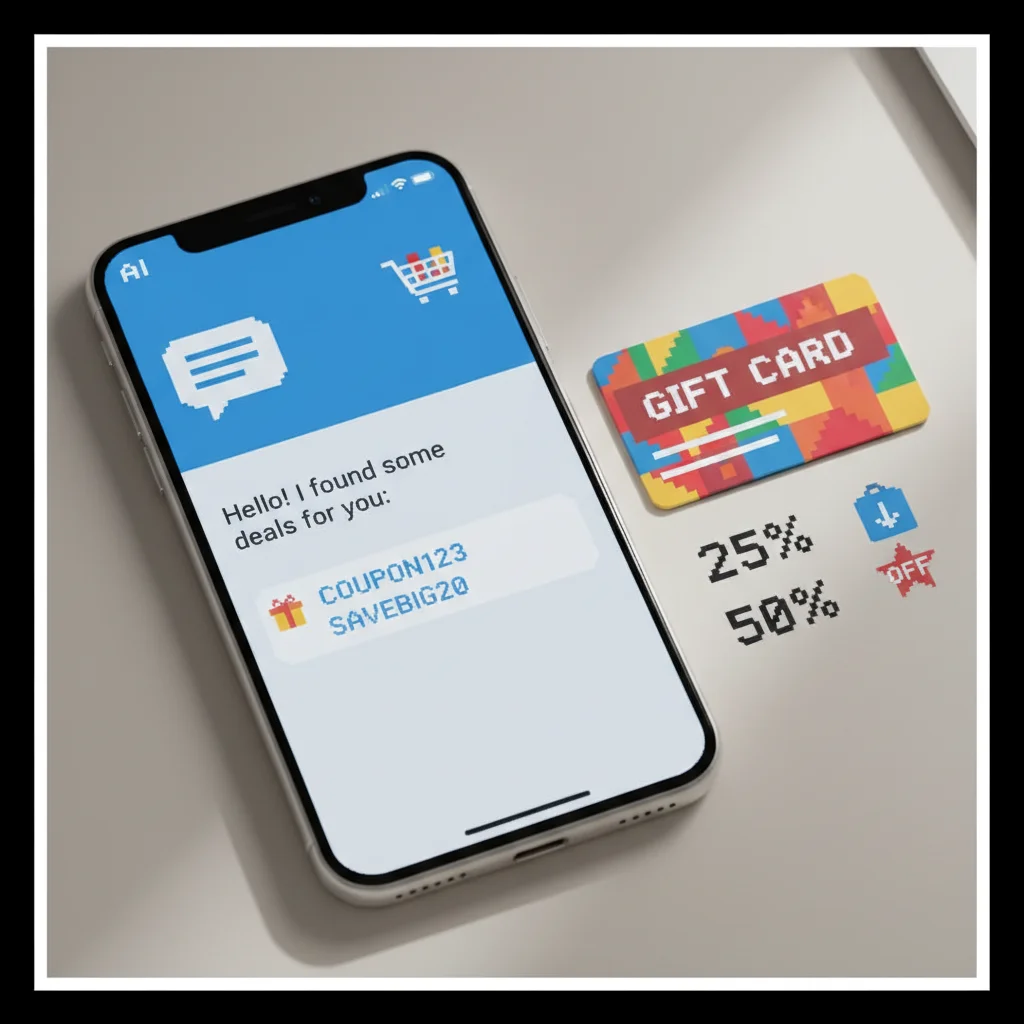
How to use AI chatbots to find coupon codes retailers don’t advertise directly involves leveraging conversational AI to request personalized discount codes, navigate retailer loyalty programs, and uncover seasonal promotions hidden from standard search results.
Finding legitimate coupon codes can feel like an endless treasure hunt. While many shoppers rely on search engines, coupon aggregator sites, or email newsletters, a growing number of savvy consumers are turning to AI chatbots to discover coupon codes retailers don’t advertise directly. Unlike static databases, AI chatbots can engage in real-time conversations, access dynamic pricing information, and provide personalized recommendations based on your purchase history or preferences. For United States consumers, this shift represents a practical way to improve savings without manually scrolling through dozens of discount websites.
What AI chatbots can do for coupon hunting
AI chatbots have evolved from simple customer service tools into sophisticated assistants capable of mining discount data in real time. When you ask a well-trained chatbot for coupon codes, it can search through retailer APIs, loyalty program databases, and current promotions simultaneously. Some chatbots can even cross-reference your past purchases to suggest discounts on products you frequently buy.
The primary advantage is speed and personalization. Instead of visiting ten different coupon websites, you get targeted results in seconds. Chatbots can understand context, such as “I need a code for winter jackets at Target” or “What’s the best current deal on wireless headphones?” and deliver exact codes rather than generic suggestions.
How conversational AI differs from traditional coupon sites
- Traditional coupon sites display static lists updated once or twice daily; AI chatbots pull live data continuously.
- Search-based coupon engines require you to know what you want; chatbots can suggest deals based on your interests.
- Most discount aggregators show only widely distributed codes; chatbots can access loyalty-exclusive and limited-audience promotions.
- Chatbots remember your preferences over multiple conversations, improving recommendations over time.
This shift matters because retail margins are tightening, and many brands now reserve their best discounts for loyalty members, early adopters, or users willing to engage directly through customer service channels. AI chatbots act as intermediaries, bridging the gap between what’s publicly listed and what’s actually available.
How AI chatbots find hidden coupon codes
Understanding the mechanics behind how AI chatbots locate coupon codes helps you use them more effectively. Most advanced chatbots operate through a combination of web scraping, retailer integrations, and machine learning models trained on historical pricing data.
The primary mechanisms
- Retailer API integrations: Major retailers like Amazon, Walmart, and Target expose coupon and promotion data through application programming interfaces (APIs) that authorized partners can access. Chatbots with these integrations see codes moments after retailers activate them.
- Loyalty program access: Some chatbots integrate with store loyalty databases, revealing member-exclusive codes you wouldn’t find through public channels.
- Web scraping and aggregation: Bots scan coupon websites, brand websites, and social media posts in real time, compiling results and filtering by relevance.
- Predictive modeling: AI learns seasonal patterns, past promotional cycles, and product categories to anticipate when certain deals are most likely to appear.
The result is that chatbots often surface codes before they trend on popular coupon sites. A code announced on a brand’s Twitter account at 6 AM might not appear on mainstream coupon websites for several hours, yet an AI chatbot monitoring that feed would know immediately.
However, not all chatbots have equal access. Free consumer chatbots (like ChatGPT or Google’s Gemini) cannot access real-time retailer data and rely instead on training data that may be weeks or months old. Specialized coupon-finder chatbots or those built into retailer apps have far superior data freshness and accuracy.
Top AI chatbots and platforms for coupon discovery
Several AI-powered tools and chatbots have emerged specifically for coupon hunting. Understanding which ones offer the best coverage helps you allocate your search time wisely.
Retail-specific chatbots
Many major retailers have integrated AI chatbots into their mobile apps and websites. Amazon’s chatbot, for instance, can show you current promo codes for items in your cart. Target’s mobile assistant alerts you to digital coupon offers tailored to your purchase history. Walmart’s app includes a savings catcher feature powered by AI that finds price drops and coupon matches automatically.
Third-party AI coupon platforms
Services like Capital One Shopping use AI to scan for coupon codes at checkout, while Rakuten and TopCashback leverage machine learning to personalize cashback offers and coupon recommendations. These platforms analyze your browsing behavior and purchase patterns to surface deals aligned with your interests.
General-purpose chatbots for coupon research
Advanced versions of ChatGPT Plus or Claude (with web access enabled) can help you craft effective coupon-hunting strategies. While they don’t access live coupon databases, they can guide you toward lesser-known retailer pages, explain how to stack discounts, and help you evaluate which codes offer the best value. Bing Chat integrates real-time web search, so it can sometimes surface recent coupon announcements faster than other general chatbots.
The distinction matters. Retail-specific chatbots win on accuracy and exclusivity, while third-party platforms excel at cross-retailer comparisons. General chatbots are best for strategy and education rather than real-time code discovery.
Strategies for maximizing AI chatbot coupon finds
Simply asking a chatbot “What coupons are available?” yields generic results. Strategic queries and multi-step approaches dramatically improve your success rate.
Effective prompting techniques
Provide context in your requests. Instead of asking “Do you have Target coupons?” try “I need coupon codes for men’s clothing at Target, preferably 20% or higher, valid through the end of December.” Specific chatbots can filter their searches and prioritize high-value codes. Include brand names, product categories, and acceptable discount thresholds to narrow results.
Ask about loyalty program codes separately from public codes. Many chatbots can tell you whether a retailer offers member-exclusive promotions and how to access them. Mention if you’re a new customer, seasonal shopper, or lapsed buyer—chatbots trained on promotional psychology know that retailers often reserve special codes for these segments.
Combining AI with other research methods
- Use AI chatbots to identify which retailers carry the product you want, then cross-reference those findings with coupon sites for verification and additional codes.
- Ask the chatbot for the timing of typical sales cycles for your product category, then set a reminder to search again when deals are statistically more likely.
- Request that the chatbot explain how to stack coupons at your target retailer—combining a percentage-off code with a cashback offer, for example.
- Have the chatbot monitor specific brands or product types you buy regularly and notify you of new codes (if the platform supports alerts).
Research shows that shoppers who combine multiple discount sources save an average of 15-25% more than those who rely on a single tool. AI chatbots work best as one component of a layered strategy, not a standalone solution.
Limitations and what to watch for
AI chatbots are powerful coupon-hunting tools, but they come with constraints and potential pitfalls worth understanding before relying on them entirely.
Common limitations
Data freshness varies dramatically. A chatbot’s training data might reflect coupon availability from weeks ago, leading to suggestions for expired codes. Some popular general-purpose chatbots have cutoff dates for training data and cannot access real-time information without explicit web search enabled.
Coverage gaps exist. Smaller retailers, regional chains, and niche brands often lack API integrations with coupon-finder chatbots. If you shop primarily at local stores or independent retailers, AI tools may have limited utility.
Accuracy issues can occur when chatbots hallucinate or provide outdated information. A chatbot might suggest a “20% off” code that expired weeks ago or misremember the terms of a particular promotion. Always verify any code before adding it to your cart.
Security and privacy considerations
Sharing shopping habits, purchase history, or personal preferences with AI chatbots means that data is processed, stored, and potentially used to train future models. Check the privacy policy of any chatbot platform before linking loyalty accounts or sharing detailed purchase information. Some users prefer to use chatbots only for general coupon questions rather than personalized recommendations that require sensitive data.
Additionally, scams occasionally surface. Some fraudulent chatbots or apps claim to offer exclusive coupon codes but actually harvest email addresses or payment information. Stick to chatbots from recognized retailers, established coupon platforms, or major AI providers with transparent privacy practices.
Integration with other coupon strategies
The most effective coupon hunters use AI chatbots as part of a broader ecosystem of savings tools and techniques. Integration requires understanding how different methods complement each other.
Email newsletters from retailers and brands often distribute coupon codes days or weeks before they appear on public coupon sites. Subscribe to newsletters from stores where you shop frequently, then use a chatbot to supplement those offers with codes the newsletters didn’t mention. Chatbots can also help you track which brands send codes regularly and which ones rarely offer discounts.
Seasonal shopping patterns matter. Many retailers run predictable promotional cycles—back-to-school sales in August, holiday discounts in November and December, clearance events in January. Ask AI chatbots about typical timing for your product category, then combine that intelligence with setting price alerts and preparing wish lists in advance. This layering approach means you’re ready to apply a code the moment the price drops.
Cashback platforms like Rakuten, Fetch Rewards, and BeFrugal work synergistically with coupon codes. Use an AI chatbot to identify the best coupon code, then check whether a cashback platform offers additional rebates for the same purchase. Stacking a 20% coupon code with 5% cashback yields 25% in total savings. Chatbots trained on discount stacking can help you identify which combinations work at specific retailers.
Browser extensions powered by AI, such as Honey or Capital One Shopping, automatically apply coupons at checkout and alert you to better deals elsewhere. These work alongside chatbot research. You research codes using a chatbot, then let an extension verify and apply them when you’re ready to purchase.
| AI Coupon Method | Primary Advantage |
|---|---|
| Retail-specific chatbots | Real-time data access, loyalty-exclusive codes, personalized to your account |
| Third-party AI platforms | Cross-retailer comparisons, cashback integration, multi-brand monitoring |
| General-purpose chatbots | Strategy guidance, coupon stacking education, custom deal analysis |
| Email plus AI | Combines exclusive subscriber codes with AI discovery of additional hidden codes |
Frequently asked questions about AI chatbots and coupon codes
Free ChatGPT cannot access real-time coupon data and relies on training data that may be months old. ChatGPT Plus with web access performs better, but still cannot reliably access private retailer coupon databases. Specialized coupon-finder chatbots or retailer apps offer far superior current code discovery.
Codes from reputable AI platforms and retailer-official chatbots are legitimate. Always verify codes before purchasing by checking the retailer’s website or terms. Avoid chatbots from unknown sources that ask for sensitive information. When in doubt, cross-check any code against the retailer’s official promotions page.
No. You can ask chatbots for generic coupons without sharing personal data. However, if you link a loyalty account or provide purchase history, chatbots can offer personalized recommendations. Review privacy policies before connecting accounts. Privacy-conscious shoppers can use general coupon queries without authentication.
Savings vary based on shopping habits and product categories. Research indicates that using multiple coupon sources (including AI tools) yields 15-25% average savings on discretionary purchases. For regular shoppers, this can translate to $1,000-$2,000 annually. Results depend on whether you shop at retailers with robust promotional programs.
Coupon stacking rules vary by retailer. Some allow combining a percentage-off code with cashback; others don’t. Ask your AI chatbot which stacking rules apply at your target retailer. Use browser extensions to automatically test coupon combinations at checkout. Always read fine print, as excluded categories and restrictions are common.
The bottom line
How to use AI chatbots to find coupon codes retailers don’t advertise directly represents a practical advantage for cost-conscious shoppers willing to shift their research approach. The key is understanding that different AI tools serve different purposes: retail chatbots excel at real-time, exclusive codes; third-party platforms provide comparative advantages; general chatbots offer strategic guidance. Combined with email newsletters, loyalty programs, cashback platforms, and browser extensions, AI chatbots significantly amplify savings potential. For United States consumers, integrating this technology into a layered discount strategy rather than relying on any single tool delivers the best results.
