Egg Prices at $5.90: Budget Protein Alternatives Costing Less Today
Advertisements
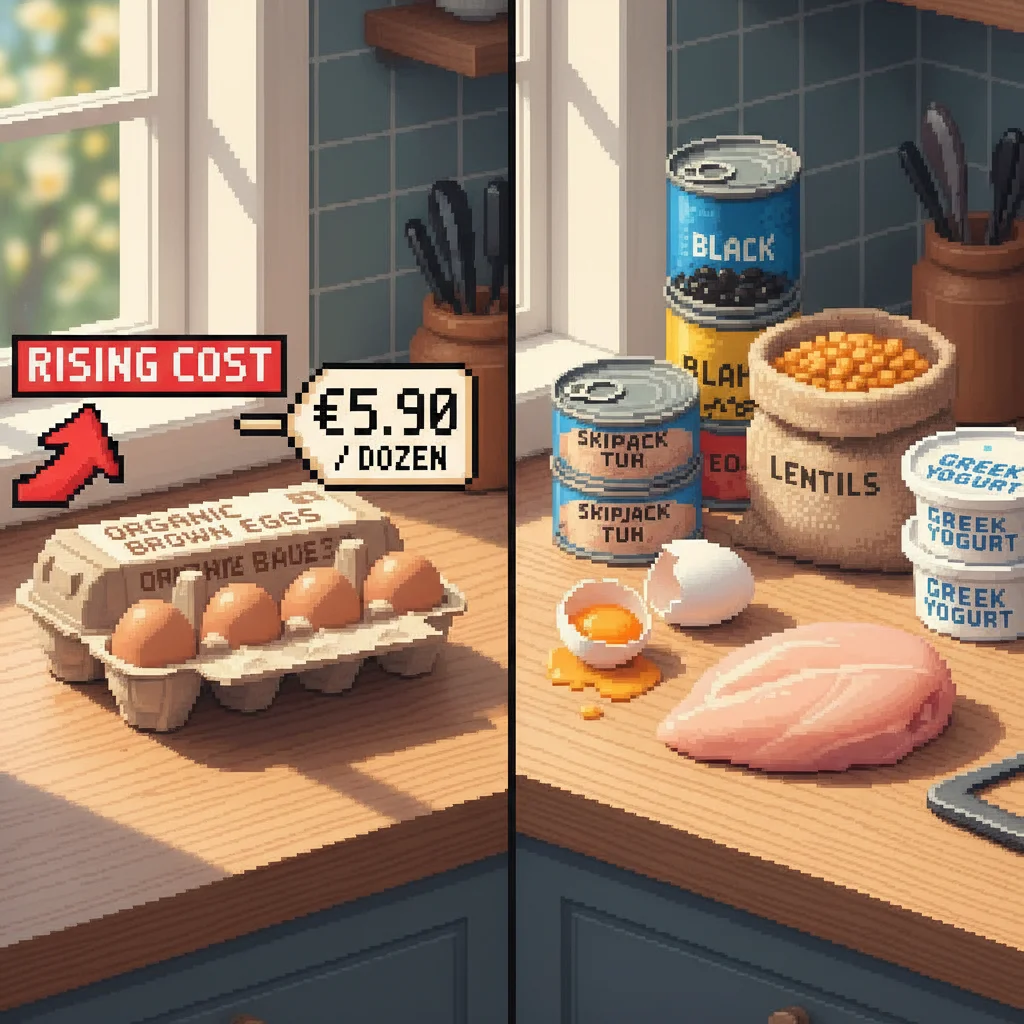
Egg Prices Rising to $5.90: Budget Protein Alternatives Costing Less Today shows how smart shoppers can maintain protein intake while protecting their grocery budget by switching to beans, lentils, poultry, and dairy options that cost substantially less per serving.
In December 2025, egg prices have climbed to unprecedented levels, with some regions seeing dozen-egg cartons priced at $5.90 or higher. For households managing tight food budgets, this creates a real dilemma: how do you maintain adequate protein intake without draining your grocery allowance? The answer lies in shifting toward proven protein sources that deliver similar or better nutritional value at a fraction of the cost. Understanding your alternatives empowers you to make smarter purchasing decisions without sacrificing health or variety.
Why egg prices have surged and what it means for your budget
Egg prices don’t rise in a vacuum. Multiple factors have driven costs upward over the past year. Disease outbreaks in poultry flocks have reduced supply, while demand remains steady—or even increases during colder months when people stock up on pantry staples. Inflation in feed costs, labor, and transportation has also squeezed profit margins, pushing retailers to pass those costs to consumers.
What does this mean practically? A family that once spent $15 to $20 per month on eggs might now spend $40 or more. Over a year, that’s easily an extra $240 or more in grocery expenses. For many households living paycheck to paycheck, this isn’t a minor inconvenience—it’s a genuine budget crisis. The good news is that eggs, while nutritious, are far from the only source of affordable, high-quality protein.
The cost per serving reality
- Large eggs at $5.90 per dozen = roughly $0.49 per egg or $0.98 per 2-egg serving
- Dried beans at $1.50 per pound (yields ~10 servings when cooked) = $0.15 per serving
- Canned tuna at $0.60 to $1.20 per can (2–3 servings) = $0.30 to $0.60 per serving
- Chicken thighs at $2.50 per pound (3–4 servings) = $0.63 to $0.83 per serving
The math is clear: several alternatives offer dramatically lower per-serving costs while delivering comparable protein grams and additional micronutrients.
Beans and lentils: the budget protein powerhouses
Dried beans and lentils represent the gold standard for cost-effective protein. A one-pound bag of dried beans costs between $1 and $2 and yields approximately 8 to 10 servings when cooked. That translates to roughly 12 to 15 grams of protein per cooked cup, plus substantial fiber, iron, and magnesium.
Canned beans offer similar nutrition with zero prep time, though they cost slightly more per serving. A typical 15-ounce can provides 3–4 servings and runs $0.50 to $1.00. For busy households, the convenience premium may be worth it.
Popular varieties and their strengths
- Black beans: Rich in antioxidants, versatile in cuisines from Latin American to Asian dishes, mild flavor adapts to sweet or savory preparations
- Lentils (red, brown, green): Cook faster than most beans, neutral flavor, extremely high fiber and iron content ideal for vegetarians
- Chickpeas: Higher in fat than other legumes, providing sustained satiety; excellent for hummus, salads, and roasted snacks
- Pinto beans: Creamy texture, affordable, high in folate, traditional in Mexican-inspired recipes
The key challenge with dried beans is planning: you must soak overnight and cook for 1–2 hours (though pressure cookers reduce time to 20–30 minutes). For families without time constraints or those willing to batch-cook and freeze, dried beans are unbeatable financially.
Chicken: the reliable, affordable protein source
Chicken remains one of the most affordable proteins nationwide, especially when you choose the right cuts and buy strategically. Whole chickens and bone-in, skin-on thighs cost significantly less per pound than boneless, skinless breasts—and they’re actually more flavorful and forgiving to cook.
A whole chicken averaging 5 to 6 pounds at $1.50 to $2.00 per pound yields 10 to 12 servings of meat plus a carcass for homemade broth. That’s roughly $1.25 to $1.50 per serving for protein and flavor-building ingredients.
Strategic chicken shopping tips
- Buy leg quarters (thighs + drumsticks) in bulk when on sale; they freeze well for months
- Check grocery store ads weekly—chicken frequently drops to $0.99 per pound during promotional weeks
- Consider store brands and sales racks; quality remains high even when price drops
- Don’t overlook canned chicken; it’s shelf-stable, convenient, and costs $1.50 to $3.00 per can for 2–3 servings
Chicken works across breakfast, lunch, and dinner—soups, stir-fries, salads, sandwiches—making it infinitely flexible for household meal planning.
Tuna, sardines, and other canned fish
Canned fish delivers protein, omega-3 fatty acids, and minerals like selenium in a shelf-stable, zero-prep format. While fresh fish can be expensive, canned varieties offer remarkable value. A can of tuna in water typically costs $0.60 to $1.20 and provides 2–3 servings with 20 to 25 grams of protein per can.
Sardines are increasingly popular among budget-conscious eaters because they’re often cheaper than tuna, contain edible bones loaded with calcium, and pack robust nutrition. A tin of sardines might cost $0.80 to $1.50 and deliver 15–20 grams of complete protein plus vitamin D and selenium.
Integrating canned fish into everyday meals
- Tuna salads, pasta bakes, and sandwich fillings remain classic choices
- Sardine toast with avocado or olive oil offers Mediterranean nutrition
- Canned salmon (slightly pricier but nutrient-dense) works in patties, grain bowls, and dips
- Mix into soups and stews for flavor and protein boost without additional cooking
The only downside is sodium content in many canned fish products. Rinsing drained tuna or sardines reduces sodium by 20–30 percent, making them healthier without sacrificing convenience.
Yogurt, cottage cheese, and other dairy alternatives
Greek yogurt and cottage cheese deliver 15–20 grams of protein per serving while costing $3 to $5 per pound. While more expensive than beans or canned fish per serving, they’re less expensive than eggs and offer probiotic benefits and versatility across sweet and savory dishes.
Regular yogurt at $4 to $6 per quart provides about 6–8 grams of protein per 6-ounce serving, making it a lighter but still valuable protein source. Store brands consistently undercut name brands by 30–50 percent without quality compromise.
Maximizing dairy protein value
- Buy plain yogurt and add fruit, nuts, or granola yourself rather than pre-flavored varieties
- Use cottage cheese in smoothies, baked goods, and casseroles for protein boost
- Purchase large containers rather than individual cups; bulk pricing is substantially lower
- Watch for sales and buy store brands; quality is consistently excellent
Dairy protein shines in breakfast applications—parfaits, smoothies, oatmeal toppers—and works equally well in dinner preparations like lasagna and baked pasta dishes.
Nuts, seeds, and plant-based combinations
While nuts and seeds cost more per ounce than beans or canned fish, they’re calorie-dense and offer protein alongside healthy fats and micronutrients. A quarter cup of almonds provides 6 grams of protein for about 160 calories and costs roughly $0.75. Peanut butter at $2 to $3 per jar yields 12 to 16 servings of 2-tablespoon servings, each containing 8 grams of protein for approximately $0.20.
The strategic approach combines nuts and seeds with cheaper proteins: bean chili topped with walnuts, chickpea hummus served with tahini, or peanut butter added to lentil soups creates complete amino acid profiles while keeping costs manageable.
Affordable nut and seed options
- Peanuts and peanut butter remain cheapest nut options despite allergies excluding some consumers
- Sunflower seeds and pumpkin seeds cost less than tree nuts while delivering comparable protein
- Store-brand options consistently cost 40–60 percent less than name brands
- Buying from bulk bins yields lower prices for families comfortable measuring their own portions
Seeds and nuts work best as complements to other proteins rather than primary sources, stretching your budget while boosting nutritional density.
Creating balanced meals while managing egg price increases
The real budget advantage emerges when combining multiple affordable proteins strategically. Rather than building every meal around a single protein, smart shoppers mix sources: beans with chicken, yogurt with granola, canned fish with whole grains. This approach maximizes nutrition while distributing costs across diverse budget-friendly sources.
Meal planning becomes essential. A week of dinners might include bean chili, chicken stir-fry, lentil soup, canned tuna pasta, and a chickpea curry—each costing $1.50 to $2.50 per serving for the protein component alone. Compare that to seven dinners featuring eggs at $2.00+ per meal, and the savings become obvious.
Strategic shopping—watching sales, buying in bulk, choosing store brands, and timing purchases around promotional cycles—amplifies these savings. Many families report reducing their weekly grocery bill by $15 to $25 simply by reducing egg dependence while egg prices remain elevated.
| Protein Source | Cost per Serving & Key Advantage |
|---|---|
| Dried Beans & Lentils | $0.15–$0.25 per serving; highest fiber and lowest cost, ideal for batch cooking and freezing |
| Large Eggs (at $5.90/dozen) | $0.98 per 2-egg serving; familiar but now expensive; often worth substituting with alternatives |
| Chicken (bone-in thighs) | $0.63–$0.83 per serving; versatile across all meals, frequently on sale, excellent batch-cook option |
| Canned Tuna or Sardines | $0.30–$0.75 per serving; zero prep time, shelf-stable, omega-3 rich, convenient for busy schedules |
Frequently asked questions about egg prices and budget protein alternatives
Avian flu outbreaks have reduced poultry flock sizes significantly, constraining egg supply. Simultaneously, feed costs remain elevated due to inflation, and seasonal demand peaks during winter months. These combined factors have driven wholesale and retail prices to historic highs, with some regions experiencing prices exceeding $5.90 per dozen.
Yes, with strategic combinations. Beans paired with whole grains, yogurt mixed with nuts, or fish with vegetables all provide complete amino acid profiles. A two-egg serving (12 grams protein) can be replaced by a cup of cooked lentils (18 grams), canned tuna (20+ grams), or Greek yogurt with granola (15+ grams).
Canned fish (tuna, sardines, salmon) requires zero cooking and can be eaten straight from the can or assembled into quick meals in under five minutes. Canned beans and yogurt are similarly zero-prep. Rotisserie chicken is pre-cooked and costs $6–$8 per bird, offering convenience at reasonable price points.
Yes, store-brand proteins meet identical nutritional standards and often come from the same manufacturers. The only differences are packaging and marketing. Store-brand canned tuna, yogurt, beans, and chicken are nutritionally equivalent while costing 30–50 percent less, making them excellent budget choices without quality sacrifice.
Experts suggest prices may begin declining as avian flu pressures ease and flocks recover over 2026, though timelines remain uncertain. Rather than waiting, budget-conscious shoppers benefit from immediately diversifying protein sources. Even if prices normalize, maintaining alternatives reduces vulnerability to future supply shocks.
The bottom line
Egg Prices Rising to $5.90: Budget Protein Alternatives Costing Less Today shifts the calculation that governed household meal planning for decades. While eggs remain nutritious, their current cost no longer positions them as the budget-friendliest protein. Beans, lentils, chicken, canned fish, and dairy alternatives deliver comparable or superior nutrition at substantially lower per-serving costs. Smart shoppers who diversify their protein sources now—rather than waiting for prices to normalize—lock in savings across their monthly grocery budgets while building resilience against future supply disruptions.
