Grocery prices fell 1.3 percent for eggs: what other items got cheaper this week
Advertisements
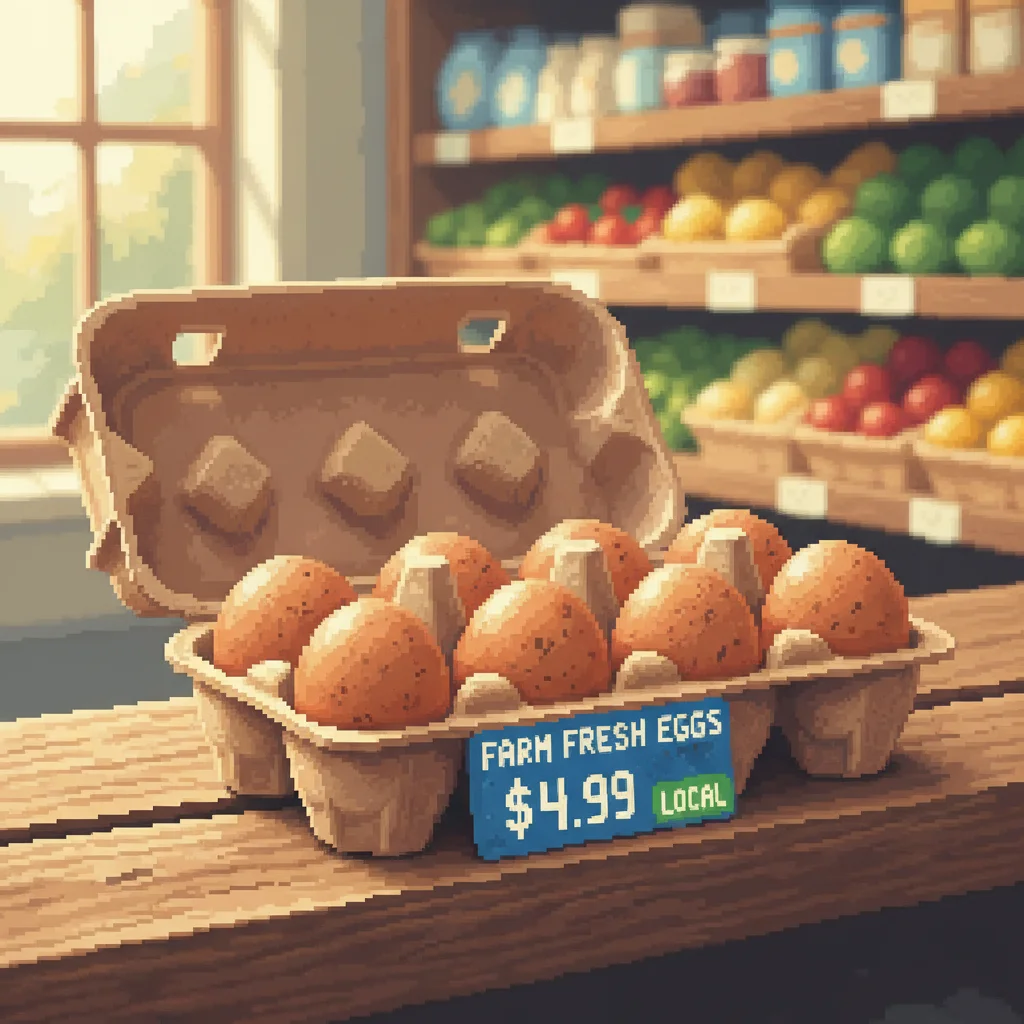
Egg prices dropped 1.3 percent this week, signaling broader relief in grocery costs for shoppers navigating inflation-pressured budgets across the United States.
When grocery prices fell 1.3 percent for eggs this week, it sent a clear signal to budget-conscious shoppers that relief may finally be arriving at the checkout line. For millions of American households struggling with food inflation over the past two years, this decline—though modest on its own—fits into a larger pattern of price stabilization that deserves attention. Understanding which grocery categories are cooling and why matters when you’re trying to stretch each dollar further and plan meals around current market conditions.
What drove egg prices down this week
Egg prices have been one of the most volatile grocery categories over the past 18 months, spiking dramatically due to avian flu outbreaks that reduced laying hen populations. The recent 1.3 percent weekly decline reflects a combination of factors working in consumers’ favor. Production has gradually recovered as bird flu cases stabilized in major egg-producing states, increasing supply flow to retail stores. Holiday demand patterns also shift in early December, and some retailers are using eggs as a loss leader to drive foot traffic, creating competitive pricing pressure that translates to lower consumer prices.
Weather conditions have also improved for poultry farming operations in recent weeks, reducing operational stress on flocks and allowing producers to return to more normal production schedules. When supply increases and promotional competition intensifies, prices naturally move downward. However, this single-week drop doesn’t necessarily mean eggs have returned to pre-2023 price levels—they remain elevated compared to historical averages, though the trajectory is encouraging for households that rely on eggs as an affordable protein source.
Key factors behind the price movement
- Recovery in laying hen populations after avian flu disruptions slowed significantly
- Increased competition among major retailers using eggs as promotional items
- Shift in holiday shopping patterns reducing peak seasonal demand pressure
- Improved farming conditions allowing more consistent production schedules
Other groceries getting cheaper right now
While eggs capture headlines, other staple grocery categories have experienced recent price relief that may impact your weekly shopping strategy. Dairy products including milk, yogurt, and cheese have cooled over the past month as supply chains stabilized and seasonal production patterns normalized heading into winter. Beef prices, which remained stubbornly high through much of 2024, have shown modest decline as cattle inventory increased and processing throughput improved across major facilities.
Produce is consistently the area where shoppers find the most dramatic weekly price swings. Root vegetables, including potatoes and onions, have become significantly cheaper as harvest season shifted fully into warehoused commodity sales rather than fresh-from-field premium pricing. Citrus fruits are entering their peak season, which traditionally drives prices down 15 to 25 percent compared to late summer levels. Bananas remain among the most affordable fruits on most store shelves, consistent with historical pricing patterns.
Categories showing recent price declines
- Milk and dairy alternatives down 2 to 4 percent across most retailers
- Fresh potatoes, onions, and root vegetables declining 10 to 18 percent weekly
- Citrus fruits dropping as peak season supply increases dramatically
- Ground beef and beef cuts showing 1 to 3 percent relief in recent weeks
Understanding the bigger inflation picture
Individual weekly price movements on specific items can feel encouraging, but context matters when evaluating whether groceries are truly becoming affordable again. The cumulative effect of inflation since 2021 means that even with recent price declines, most grocery categories remain 15 to 30 percent more expensive than they were before the pandemic. A 1.3 percent weekly drop on eggs is real relief, but eggs that cost $2.50 per dozen before the crisis and $4.50 during the peak still represent a significant household expense even if they’ve come down from $6 to $5.75.
Consumer price index data collected by government statisticians shows that food inflation has moderated substantially compared to 2022 and early 2023, when year-over-year grocery increases exceeded 10 percent. Current trends suggest the pace of increase has slowed to 2 to 4 percent annually—closer to historical normal ranges. However, this doesn’t mean prices are returning to pre-2021 levels; it means the rate of increase has stabilized. Shoppers should view recent price declines as progress in the direction of affordability rather than a full return to earlier price points.
Strategic shopping around price movements
Smart shoppers can leverage weekly price fluctuations to optimize household grocery budgets when they understand which categories are moving and why. Timing purchases around seasonal produce peaks—like citrus in winter or berries in summer—can reduce produce costs by 25 to 40 percent compared to off-season premium pricing. Watching for promotional eggs when prices dip below typical weekly averages makes sense for households that consume eggs regularly, as they store well and protein needs are consistent year-round.
Subscribe to retailer email newsletters and use store apps that highlight weekly deals tied to price reductions. Many major chains now offer dynamic pricing that varies by location and week, meaning the same product may be cheaper at one store during a specific week due to local competitive factors. Buying eggs, dairy, and proteins during dip weeks and freezing or storing them appropriately extends your purchasing power. During weeks when specific categories decline, it’s reasonable to buy slightly above your immediate consumption needs if you have proper storage space, since the savings from buying at the weekly low often exceed the modest cost of storage.
Practical shopping strategies to maximize savings
- Track weekly store ads and digital deal notifications for price-drop alerts
- Buy proteins and dairy when they hit weekly lows and store or freeze appropriately
- Concentrate produce purchases on in-season items with low weekly prices
- Compare prices across nearby stores since promotional timing varies by location
Which household items haven’t gotten cheaper
While some grocery categories show relief, others remain stubbornly elevated or continue rising, creating an uneven affordability landscape. Packaged and processed foods have proven resistant to price declines because they’re subject to different supply chain factors and profit margin pressures than fresh goods. Oils and fats, including olive oil and cooking oils in general, remain elevated due to global crop conditions and commodity market factors that differ from domestic food production. Specialty and imported foods continue climbing in price, partially due to currency fluctuations and transportation cost pass-throughs.
Beverages including coffee, tea, and juices haven’t experienced the recent relief that protein and produce have seen. Coffee futures prices remain elevated by historical standards, keeping retail coffee prices high even as some food categories decline. Nuts and nut butters face similar commodity-price dynamics that limit downward price pressure. Understanding which categories lack recent relief helps shoppers make substitution decisions—choosing water-based produce over juices, or exploring lower-cost protein options when primary choices remain expensive, for example.
What to expect in coming weeks
Recent price trends suggest that egg and dairy products may experience continued modest declines as we move deeper into December and January, assuming current supply trends hold and no new production disruptions emerge. Seasonal produce like citrus, root vegetables, and winter squashes should maintain favorable pricing through the end of the calendar year. However, volatile categories like eggs remain subject to rapid price swings if weather, disease, or market conditions shift unexpectedly.
Looking forward, the trajectory of grocery prices depends heavily on factors largely outside consumer control: weather impacts on crop yields, potential disease outbreaks in livestock operations, energy costs affecting production and transportation, and broader inflation patterns. Current data suggests stabilization rather than dramatic further declines, meaning this week’s improvements represent progress but not a signal that prices are about to collapse. Shoppers planning their budgets should anticipate that groceries may remain somewhat elevated compared to pre-2021 levels even as the pace of increases moderates.
| Grocery Category | Recent Price Trend |
|---|---|
| Eggs | Down 1.3% this week; still elevated vs. pre-2023 |
| Fresh Produce | Seasonal items declining 10-25%; expect continued relief |
| Dairy & Milk | Down 2-4% recently; moderate stabilization observed |
| Packaged Foods | Relatively flat; minimal recent price reductions noted |
Frequently asked questions about weekly grocery price changes
Avian flu recovery increased laying hen populations, boosting egg supply. Retailers also compete on pricing heading into the holiday season, and improved farming conditions allow more consistent production. This combination creates downward price pressure after months of elevated costs.
Multiple categories show recent relief. Dairy products, fresh produce like potatoes and citrus, and some beef cuts have declined 1 to 25 percent depending on the specific item and market timing. However, processed foods and specialty items remain relatively stable or elevated.
If you have proper storage space and regular egg consumption, buying slightly above immediate needs during price dips makes financial sense. Eggs store well in refrigerators for several weeks. Purchasing at weekly lows can reduce your annual grocery spending if you buy consistently.
Recent trends suggest stabilization rather than dramatic ongoing declines. Eggs may see continued modest relief, and seasonal produce should remain affordable through winter. However, prices likely remain elevated compared to pre-2021 levels, and future movements depend on factors like weather and disease outbreaks.
Inflation has slowed—the rate of increase has declined—but prices haven’t reverted to pre-2021 levels. Packaged foods, oils, and specialty items remain elevated due to persistent supply chain costs and commodity pricing. Relief varies dramatically by category based on different market forces.
The bottom line
The 1.3 percent weekly decline in egg prices represents real progress toward grocery affordability after two years of inflation, but it’s important to maintain realistic expectations about the broader food cost environment. While eggs, fresh produce, and dairy show recent price relief, many households will continue experiencing higher food budgets than pre-pandemic levels. Strategic shopping around weekly price movements—buying proteins and produce when prices dip and focusing on seasonal items—remains an effective way to optimize grocery spending despite ongoing elevated baseline costs.
