Black Friday 2025 Apparel: 24% Average Savings
Advertisements
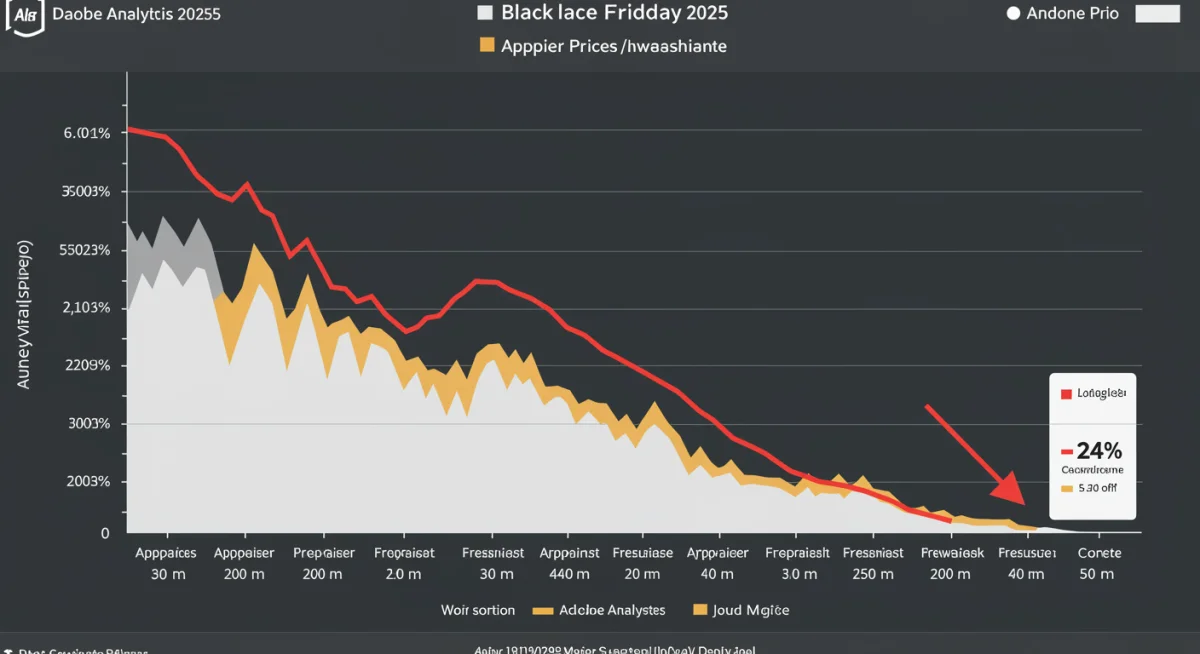
Adobe Analytics reported that Black Friday 2025 apparel deals averaged a significant 24% off, providing consumers with substantial savings across various clothing categories and highlighting key purchasing trends.
As the dust settled on the whirlwind of holiday shopping, Adobe Analytics released its comprehensive report, revealing that Black Friday 2025 apparel deals delivered an impressive average discount of 24%. This figure isn’t just a number; it represents a significant opportunity for savvy shoppers and a critical benchmark for the retail industry. What drove these savings, and what can we learn from them for future shopping seasons?
understanding the 2025 black friday apparel landscape
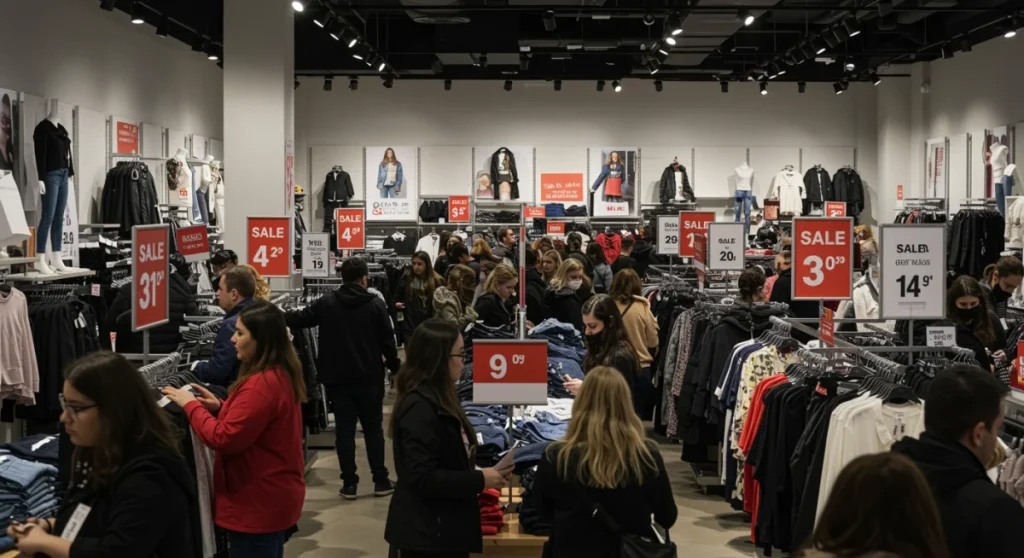
Black Friday 2025 marked another pivotal moment in the annual retail calendar, especially for the apparel sector. Consumers eagerly awaited the deep discounts, and retailers prepared meticulously to meet demand, often leveraging advanced analytics to fine-tune their pricing strategies. The 24% average discount reported by Adobe Analytics serves as a definitive indicator of the promotional intensity within the clothing market during this period.
This percentage reflects a complex interplay of factors, including inventory levels, consumer spending habits, and the overall economic climate. Retailers aimed to clear seasonal stock, attract new customers, and boost their year-end sales figures, all while navigating a competitive online and in-store environment. Understanding these underlying dynamics is crucial to appreciating the full scope of Black Friday’s impact.
the role of data analytics in deal setting
In 2025, data analytics played an even more prominent role in shaping Black Friday deals. Retailers utilized sophisticated algorithms to predict consumer behavior, optimize pricing, and manage inventory in real-time. This allowed them to offer discounts that were both attractive to buyers and profitable for their businesses.
- Predictive Modeling: Forecasting demand for specific apparel categories.
- Dynamic Pricing: Adjusting prices based on competitor offers and inventory.
- Personalized Promotions: Targeting shoppers with relevant deals based on past purchases.
- Inventory Optimization: Ensuring adequate stock without over-ordering.
The precision afforded by such tools meant that the 24% average was not arbitrary but a carefully calculated figure designed to maximize sales volume while maintaining healthy margins. This strategic approach underscores the evolving sophistication of holiday retail. The ability to react quickly to market shifts and consumer preferences became a defining characteristic of successful Black Friday campaigns.
consumer behavior and spending patterns
The allure of Black Friday deals significantly influences consumer behavior, prompting many to delay non-essential purchases until the sales event. In 2025, this trend was particularly evident in the apparel sector, where shoppers keenly sought out discounted clothing to refresh their wardrobes or purchase gifts. The promise of an average 24% off was a powerful motivator, driving substantial traffic both online and to physical stores.
Adobe Analytics’ data provides invaluable insights into these spending patterns, revealing not just the magnitude of discounts but also where consumers chose to spend their money. This information helps paint a clearer picture of the retail landscape and offers a glimpse into future shopping trends. Understanding what motivates buyers during these peak periods is essential for both retailers and consumers alike.

The report highlighted a continued shift towards online shopping, with mobile devices playing an increasingly dominant role in purchase decisions. Many consumers used their smartphones to compare prices, read reviews, and complete transactions, even while physically present in stores. This omnichannel approach underscores the importance for retailers to provide a seamless shopping experience across all platforms.
key apparel categories driving sales
Certain apparel categories consistently outperform others during Black Friday. In 2025, staples like outerwear, activewear, and everyday casual wear saw some of the most significant sales volumes, largely due to their broad appeal and utility. The 24% average discount made these items particularly attractive, allowing shoppers to invest in higher-quality pieces at reduced prices.
- Outerwear: Jackets, coats, and vests were popular, driven by winter preparations.
- Activewear: Leggings, athletic tops, and sneakers continued their strong performance.
- Casual Wear: Hoodies, jeans, and t-shirts remained perennial favorites for daily use.
- Formal Wear: Saw moderate discounts, appealing to specific event needs.
This focus on practical and versatile clothing items suggests that consumers are increasingly looking for value and longevity in their purchases, especially when presented with compelling discounts. The data indicates a thoughtful approach to holiday shopping, where quality and utility are prioritized alongside savings.
the impact of inflation and economic factors
The economic climate leading into Black Friday 2025 undoubtedly influenced both consumer spending and retailer strategies. Inflationary pressures had been a concern for much of the year, leading consumers to become more discerning with their budgets. This heightened price sensitivity made the 24% average discount on apparel deals even more impactful, as it offered a tangible way for shoppers to mitigate rising costs.
Retailers, in turn, had to balance the need to attract customers with the realities of increased operational costs. Offering substantial discounts like those seen on Black Friday required careful planning and often involved strategic partnerships with suppliers to absorb some of the financial burden. The goal was to stimulate demand without significantly eroding profit margins, a delicate balance in a challenging economic environment.
strategies for combating economic headwinds
In response to economic uncertainties, many retailers adopted multifaceted strategies to ensure a successful Black Friday. These included not only aggressive discounting but also enhanced customer loyalty programs, flexible payment options, and improved supply chain efficiencies. The aim was to create an irresistible shopping proposition that encouraged spending despite broader economic concerns.
- Early Bird Specials: Launching deals ahead of the official Black Friday.
- Bundle Deals: Offering greater savings when multiple items are purchased.
- Extended Return Policies: Providing peace of mind for buyers.
- Price Matching Guarantees: Building consumer confidence in finding the best deal.
These proactive measures helped to drive the impressive sales figures and average discounts observed in the apparel sector. The ability of retailers to adapt and innovate in the face of economic headwinds played a crucial role in shaping the Black Friday 2025 experience for millions of shoppers. It demonstrated a resilience within the retail industry, focused on delivering value under challenging circumstances.
geographical variations in apparel deals
While Adobe Analytics reported a national average of 24% off for Black Friday 2025 apparel deals, it’s important to recognize that these discounts could vary significantly by region and even by specific metropolitan areas. Local market dynamics, regional economic conditions, and the presence of major retail hubs all played a role in shaping the promotional landscape. Consumers in certain areas might have found even deeper discounts, while others experienced slightly lower savings.
These geographical nuances are critical for both retailers in tailoring their marketing efforts and for consumers seeking to maximize their savings. Online shopping, of course, tends to flatten some of these regional differences, but brick-and-mortar stores still often adapt their pricing to local competitive pressures. Understanding these variations can inform future shopping strategies and provide a more complete picture of the Black Friday phenomenon.

regional retail hubs and their influence
Major retail hubs and large urban centers often serve as epicenters for Black Friday deals, drawing in shoppers from surrounding areas. The concentration of competing retailers in these locations can lead to more aggressive pricing strategies, potentially pushing average discounts higher than the national mean. This creates a competitive environment that ultimately benefits the consumer.
- New York City: Known for its vast array of flagship stores and intense competition.
- Los Angeles: A hub for fashion and trend-driven apparel, often with unique promotions.
- Chicago: A strong market for winter wear and luxury brands.
- Miami: Focus on resort wear and more seasonal apparel.
For shoppers, being aware of these regional differences can mean the difference between a good deal and a truly exceptional one. For retailers, it underscores the importance of localized marketing and inventory management to capitalize on specific market demands. The geographical landscape of Black Friday sales is as diverse as the nation itself, reflecting varied consumer preferences and economic realities.
preparing for future black friday apparel savings
The insights gleaned from Black Friday 2025 apparel deals, particularly the 24% average discount reported by Adobe Analytics, offer valuable lessons for both consumers and retailers looking ahead. For shoppers, understanding these trends can help in developing more effective strategies for maximizing savings in future sales events. For retailers, it provides a benchmark and highlights areas for improvement in their promotional planning and execution.
Successful Black Friday shopping isn’t just about waiting for the day; it involves careful preparation, research, and strategic decision-making. By analyzing past performance, such as the 2025 data, both parties can refine their approaches to ensure more rewarding outcomes. The goal is always to achieve the best possible value, whether through purchasing decisions or sales optimization.
tips for savvy shoppers
To make the most of future Black Friday apparel deals, consumers should adopt a proactive and informed approach. This includes monitoring prices in the weeks leading up to the event, creating a wish list, and utilizing technology to track deals. Being prepared can significantly enhance the shopping experience and lead to greater savings.
- Start Early: Many retailers begin their sales before Black Friday.
- Use Price Trackers: Tools that notify you when desired items go on sale.
- Sign Up for Newsletters: Get exclusive early access to deals and promotions.
- Compare Prices: Always check multiple retailers before making a purchase.
By employing these strategies, shoppers can move beyond simply reacting to sales and instead strategically plan their purchases to secure the best possible discounts. The 24% average discount of 2025 is a strong indicator of the potential for savings, but informed action is key to capturing that value.
retailer strategies and competitive pricing
The 24% average discount on Black Friday 2025 apparel deals wasn’t a coincidence; it was the result of intense competitive pressure and sophisticated retailer strategies. In an increasingly crowded market, retailers are constantly seeking ways to differentiate themselves and capture consumer attention. This often involves a delicate balance between offering attractive discounts and maintaining profitability.
Adobe Analytics’ findings underscore the effectiveness of these strategies, demonstrating that a significant percentage off can indeed drive substantial sales volume. However, the report also implicitly suggests that retailers must continuously innovate their approaches to stay ahead. The landscape of holiday shopping is ever-evolving, and static strategies risk falling behind.
innovative approaches to black friday sales
Looking beyond traditional markdowns, retailers in 2025 experimented with various innovative approaches to enhance the Black Friday experience. These included flash sales, limited-time offers, and exclusive collaborations designed to create urgency and excitement. The goal was to make the shopping event feel unique and rewarding for consumers.
- Gamified Shopping: Incorporating games or challenges to unlock discounts.
- Influencer Marketing: Partnering with social media personalities to promote deals.
- Sustainable Collections: Offering discounts on eco-friendly apparel to appeal to conscious consumers.
- Experiential Retail: Creating engaging in-store events alongside online sales.
These forward-thinking strategies not only contributed to the overall success of Black Friday 2025 but also set a precedent for future sales events. The competitive nature of the retail industry ensures that innovation will remain at the forefront of Black Friday planning, continually pushing the boundaries of what consumers can expect in terms of deals and experiences. The 24% average discount is a testament to the effectiveness of these dynamic approaches.
| Key Point | Brief Description |
|---|---|
| Average Discount | Apparel deals averaged 24% off, as reported by Adobe Analytics. |
| Data Analytics Role | Crucial for precise pricing, inventory, and personalized promotions. |
| Consumer Behavior | Shift towards online, mobile shopping, and value-driven purchases. |
| Future Preparation | Shoppers should plan; retailers must innovate for better deals. |
frequently asked questions about black friday apparel deals
According to Adobe Analytics, Black Friday 2025 apparel deals averaged a significant 24% off. This figure highlights a strong promotional environment, offering substantial savings to consumers across various clothing categories during the peak shopping event.
Adobe Analytics tracks billions of online transactions across over 100 top U.S. retailers. They analyze pricing data, promotional offers, and sales volumes to calculate average discounts, providing a comprehensive view of the digital retail landscape during major shopping events like Black Friday.
While the 24% was an overall average, categories like outerwear, activewear, and casual everyday clothing often see some of the deepest discounts due to high demand and frequent inventory cycles. Consumers sought value in these practical and versatile items.
To maximize savings, consider starting your research early, using price tracking tools, signing up for retailer newsletters for exclusive access, and comparing prices across multiple stores. Strategic planning is key to securing the best deals.
Yes, economic factors like inflation and consumer price sensitivity significantly influenced retailer strategies. Retailers offered aggressive discounts, including the 24% average, to attract budget-conscious shoppers and stimulate demand despite broader economic uncertainties.
conclusion
The insights from Adobe Analytics regarding Black Friday 2025 apparel deals, with an average discount of 24%, offer a clear picture of a dynamic and competitive retail event. This significant saving highlights the ongoing importance of Black Friday for both eager consumers seeking value and retailers striving to meet sales targets. The strategic use of data analytics, combined with an understanding of evolving consumer behaviors and economic pressures, shaped a retail landscape where substantial discounts were not just possible but expected. As we look forward, these trends underscore the need for both shoppers and businesses to remain agile and informed, leveraging past data to navigate future opportunities in the ever-exciting world of holiday shopping. The 2025 results serve as a valuable benchmark, informing how we approach and prepare for upcoming sales seasons.
